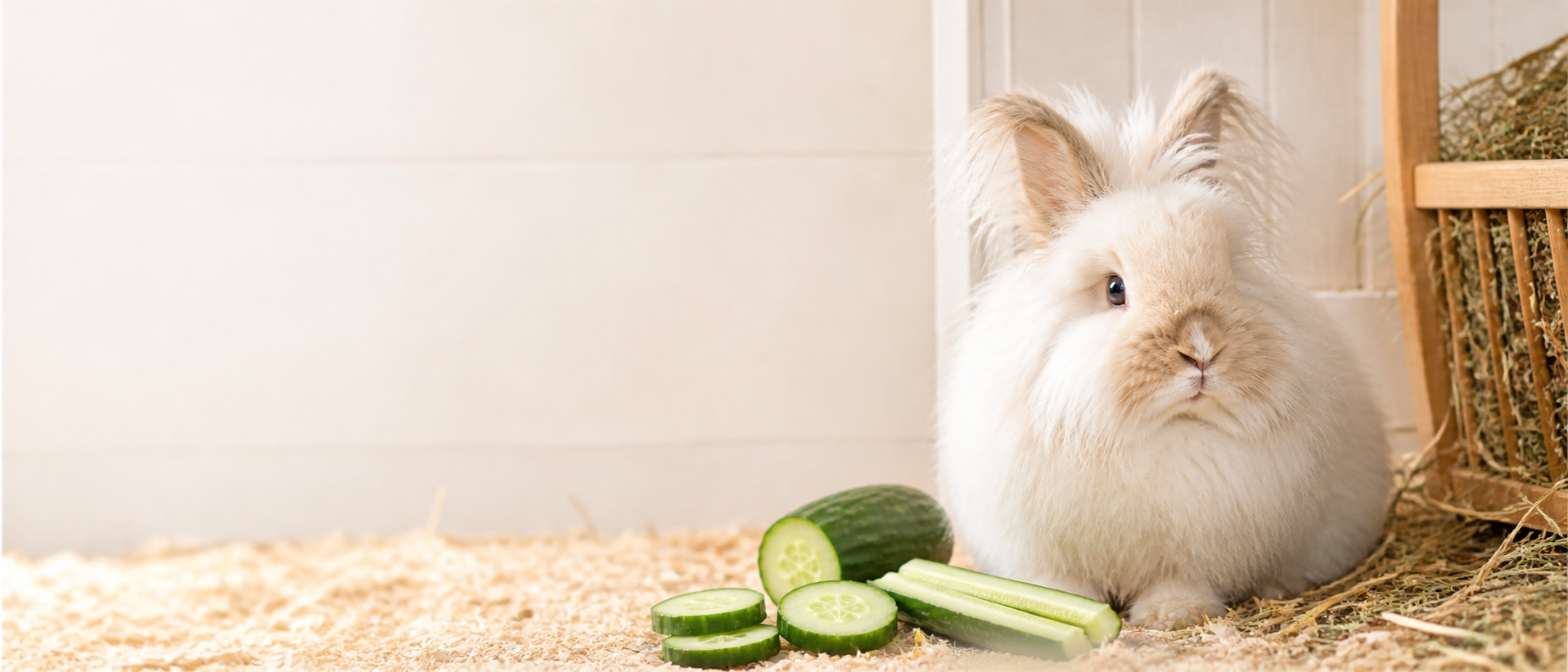
Yes, rabbits can eat cucumber, but only small amounts
Yes, adult rabbits can eat cucumber, including the skin and soft seeds, but only as a small occasional treat. Cucumber is refreshing and not toxic, but it is mostly water and much lower in fibre than hay or leafy greens.
Cucumber is safe, but not very nutritious
Yes, rabbits can eat cucumber, including the skin and soft seeds, but only in small amounts. Cucumber is not toxic to rabbits, but it is very watery and low in fibre, so it should be treated as a refreshing extra rather than an important part of their diet.
For most healthy adult rabbits, offer 1–2 thin slices up to 2–3 times per week. Introduce cucumber slowly, and stop feeding it if your rabbit develops soft stools, diarrhoea, bloating or a reduced appetite.
This guide explains whether rabbits can eat cucumber, whether bunnies can have cucumber, how much cucumber is safe, whether rabbits can eat cucumber skin and seeds, and when cucumber is best avoided.
Are cucumbers safe for rabbits?
Yes, cucumbers are safe for healthy adult rabbits to eat in small amounts. They are not toxic, and many rabbits enjoy their cool, crunchy texture. Because cucumber is mostly water, it can be a refreshing treat, particularly during warm weather.
However, cucumber is low in fibre, and fibre is essential for healthy rabbit digestion and tooth wear. Hay or grass should make up most of a rabbit’s diet, so cucumber should only be offered as an occasional extra.
What does cucumber contain?
Cucumber is mostly water, with small amounts of nutrients. This makes it refreshing, but not a replacement for fibre-rich hay and leafy greens.
About 95% water
Cucumber can help add moisture to the fresh food portion, especially in warm weather.
Vitamin K
Cucumber contains small amounts of vitamin K.
Trace minerals
It contains trace minerals such as potassium, but only in small amounts.
Can rabbits eat cucumber skin and seeds?
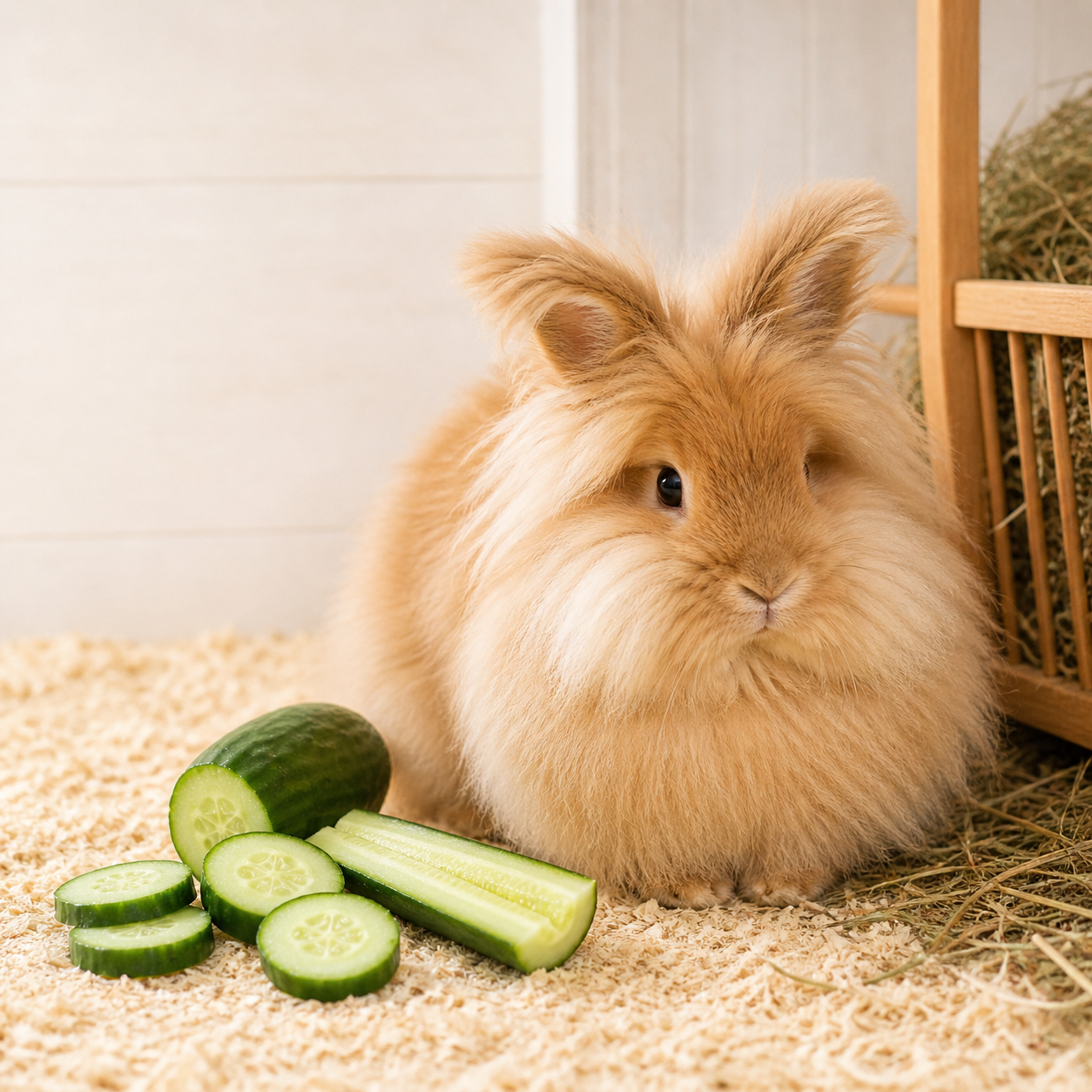
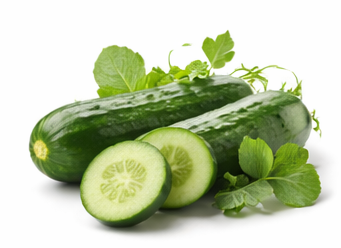
Yes, rabbits can safely eat cucumber skin. In fact, the skin contains more nutrients and fibre than the inner flesh. Just make sure to wash the cucumber thoroughly to remove pesticides or chemicals before feeding it to your rabbit.
Cucumber seeds are also safe for rabbits. Unlike some fruit seeds, cucumber seeds are soft and easy for rabbits to digest, so there is no need to remove them before feeding cucumber slices.
How much cucumber can rabbits eat?
Cucumber should be given in small portions only. For most healthy adult rabbits, a good serving is 1–2 thin slices, offered up to 2–3 times per week.
These are cautious treat portions, not daily diet amounts. Too much cucumber can cause soft stools or diarrhoea because of its high water content. Always introduce new foods slowly and monitor your rabbit for digestive changes.
| Rabbit size | Suggested cucumber amount | How often? |
|---|---|---|
| Small rabbit under 2kg | 1 thin slice | 1–2 times per week |
| Medium rabbit 2–4kg | 1–2 thin slices | Up to 2–3 times per week |
| Large rabbit over 4kg | 2 thin slices | Up to 2–3 times per week |
- Start with a tiny piece if your rabbit has never eaten cucumber before.
- Feed cucumber occasionally, not every day.
- Keep cucumber as a treat, not a replacement for hay or leafy greens.
- Watch for soft stools, diarrhoea or reduced hay eating.
Can baby rabbits eat cucumber?
Baby rabbits should not be given cucumber as a new treat. Young rabbits have sensitive digestion, so it is best to keep their diet stable and introduce fresh foods gradually when they are older.
Can rabbits eat cucumber leaves?
Rabbits may be able to eat clean cucumber leaves if they are fresh and completely free from pesticides, fertilisers, slug pellets and mildew. If you are unsure, choose familiar leafy greens instead.
Can rabbits eat cucumber flowers?
Cucumber flowers should only be offered if you know the plant has not been treated with chemicals. Garden plants can be risky if they have been sprayed or grown near slug pellets.
Health benefits of cucumber for rabbits
Cucumbers are not particularly nutritious compared to leafy greens, but they can offer a few small benefits when fed responsibly.
Hydration
Because cucumbers are mostly water, they can help keep rabbits hydrated during hot weather.
Enrichment
The crunchy texture can provide mental stimulation and variety.
Low calories
Cucumbers are low in calories, making them a light treat when given in moderation.
Why cucumber should stay occasional
While cucumber is safe for many healthy adult rabbits, it is watery and low in fibre. Avoid cucumber if your rabbit already has soft stools, diarrhoea, bloating, reduced appetite, a history of gut problems or is eating less hay than usual.
- Digestive upset Too much watery food can upset a rabbit’s sensitive digestive system.
- Low fibre Cucumber does not provide enough fibre to support healthy gut movement.
- Reduced hay appetite If rabbits fill up on treats like cucumber, they may eat less hay.
- Vet warning signs If your rabbit stops eating, stops pooing, seems hunched, bloated or in pain, contact a rabbit-savvy vet urgently.
How to feed cucumber to rabbits
Follow these simple steps when offering cucumber to your rabbit. Remove uneaten pieces after a few hours to prevent sogginess or insects.
Wash thoroughly
Wash the cucumber well to remove dirt and pesticide residue.
Slice thinly
Cut cucumber into thin slices or small chunks.
Offer a small portion
Serve only 1–2 thin slices as an occasional treat.
Remove leftovers
Remove uneaten cucumber after a few hours.
The ideal rabbit diet
Cucumber should only be a small part of a balanced rabbit diet. Healthier daily foods should provide more fibre and nutrition.
80–90% hay
Timothy hay, meadow hay or orchard hay should make up most of a rabbit’s diet.
Fresh leafy greens
Romaine lettuce, coriander, parsley, basil and dandelion leaves are useful examples.
Rabbit pellets
A small portion of high-quality pellets can provide additional nutrients.
Occasional treats
Vegetables like cucumber, carrot or bell pepper can be given in moderation.
Vegetables rabbits can eat instead
If you’re looking for healthier alternatives to cucumber, try leafy greens that contain more fibre and nutrients.
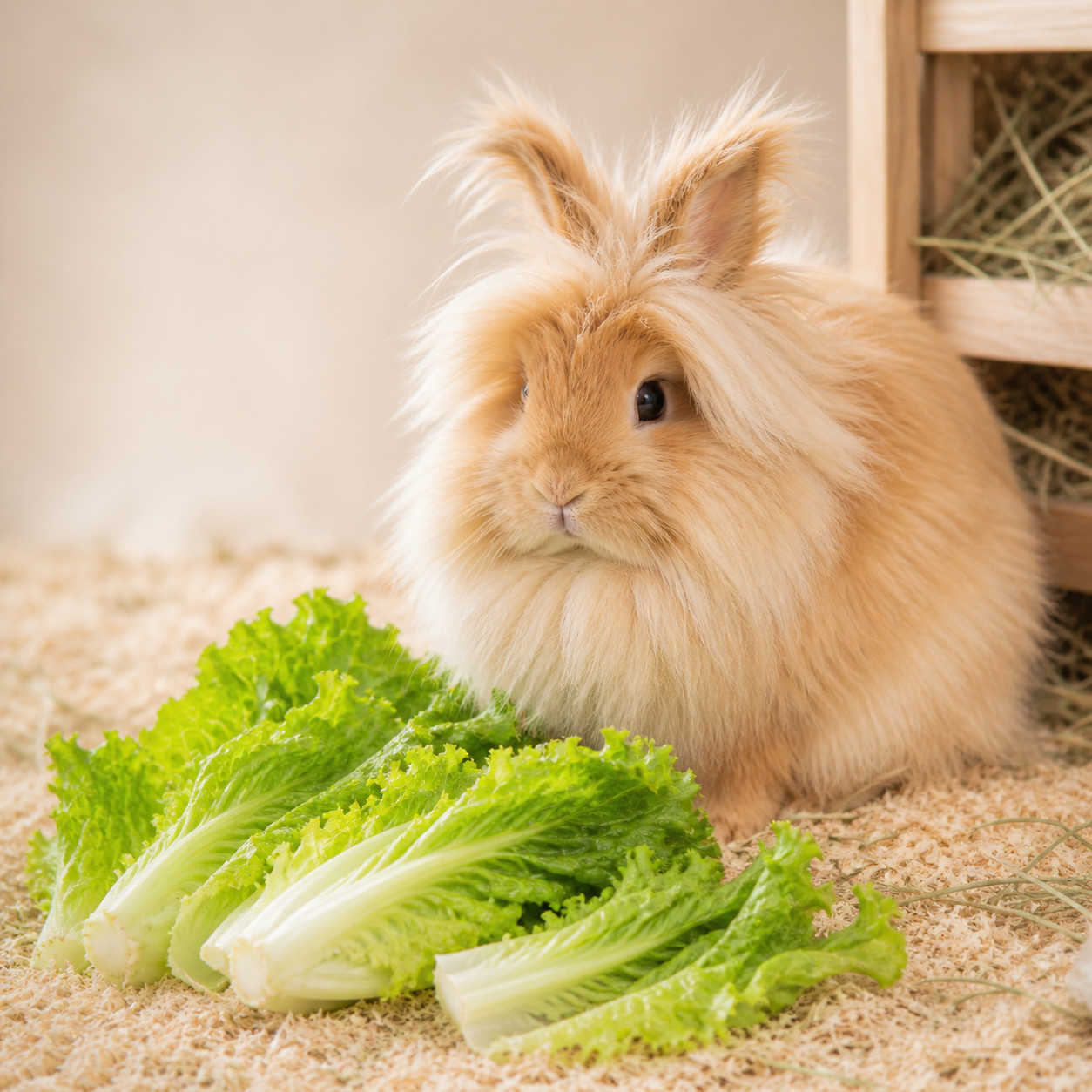
Romaine lettuce
A useful leafy green option for many rabbits.
Rocket
Also known as arugula, with a stronger flavour.
Kale
Best offered in small amounts as part of a varied mix.
Basil or mint
Herbs can add flavour and enrichment.
Coriander
Also called cilantro, and often enjoyed by rabbits.
More hay
Hay is still the most important food for rabbits.
Rabbit diet sources
RabbitCare.co.uk uses trusted UK rabbit welfare and veterinary sources when writing diet guides. These sources all stress that hay or grass should be the main part of a rabbit’s diet, with suitable fresh foods offered alongside it.
- RSPCA rabbit diet advice – guidance on hay, grass, leafy greens, pellets and safe feeding routines.
- Rabbit Welfare Association & Fund: greens, veg and herbs – UK rabbit welfare advice on fresh foods.
- PDSA feeding your rabbits – veterinary charity guidance on a balanced rabbit diet.
Cucumber FAQs
Quick answers to common questions about feeding cucumber to rabbits.
Can rabbits eat or have cucumber?
Yes, adult rabbits can eat or have cucumber in small amounts. Cucumber is not toxic, but it is very watery and low in fibre, so it should be an occasional fresh food rather than a main part of their diet. People may also search “can bunnies eat cucumber”, but the advice is the same for adult rabbits.
Can rabbits eat cucumber skin?
Yes, rabbits can usually eat cucumber skin if it is washed well. The skin contains more fibre than the watery middle, but cucumber should still only be offered in small portions.
Can rabbits eat cucumber seeds?
Yes, soft cucumber seeds are usually safe for rabbits. There is no need to remove them from ordinary cucumber slices.
How much cucumber can rabbits eat?
A good serving size is one or two thin slices, offered occasionally. Too much cucumber can cause soft droppings because it is high in water and low in fibre.
Can rabbits eat cucumber every day?
No. Cucumber should not be fed every day. Hay should be the main part of a rabbit’s diet, with fresh foods offered as a smaller part of the routine.
Can baby rabbits eat cucumber?
Baby rabbits should not be given cucumber as a new treat. Young rabbits have sensitive digestive systems, so it is safer to keep their diet stable and introduce fresh foods gradually when they are older.
Can rabbits eat cucumber leaves or flowers?
Rabbits may be able to eat cucumber leaves and flowers if they are fresh, clean and completely free from pesticides, fertilisers, slug pellets and mildew. If you are unsure how the plant has been grown or treated, choose familiar rabbit-safe leafy greens instead.
When should rabbits avoid cucumber?
Avoid cucumber if your rabbit has soft stools, diarrhoea, bloating, reduced appetite, a history of gut problems or is eating less hay than normal. Contact a rabbit-savvy vet urgently if your rabbit stops eating, stops pooing, seems hunched, bloated or in pain.
Can rabbits eat pickled cucumber?
No. Pickled cucumber should not be fed to rabbits because it contains vinegar, salt and other ingredients that are not suitable for rabbits.
Cucumber can be a safe refreshing treat for rabbits
Rabbits can safely eat cucumber in small amounts. The skin and seeds are safe too, as long as the cucumber is washed well before feeding.
Because cucumber is mostly water and low in fibre, it should only be offered occasionally alongside a diet that is mostly hay or grass, with suitable leafy greens and a small amount of good-quality pellets making up the rest.
Related rabbit care guides
More useful guides for rabbit foods, treats and daily diet basics.
RabbitCare.co.uk provides general rabbit care information for UK owners. It does not replace advice from a rabbit-savvy vet. If your rabbit stops eating, stops pooing, seems in pain or is suddenly unwell, contact a vet urgently.