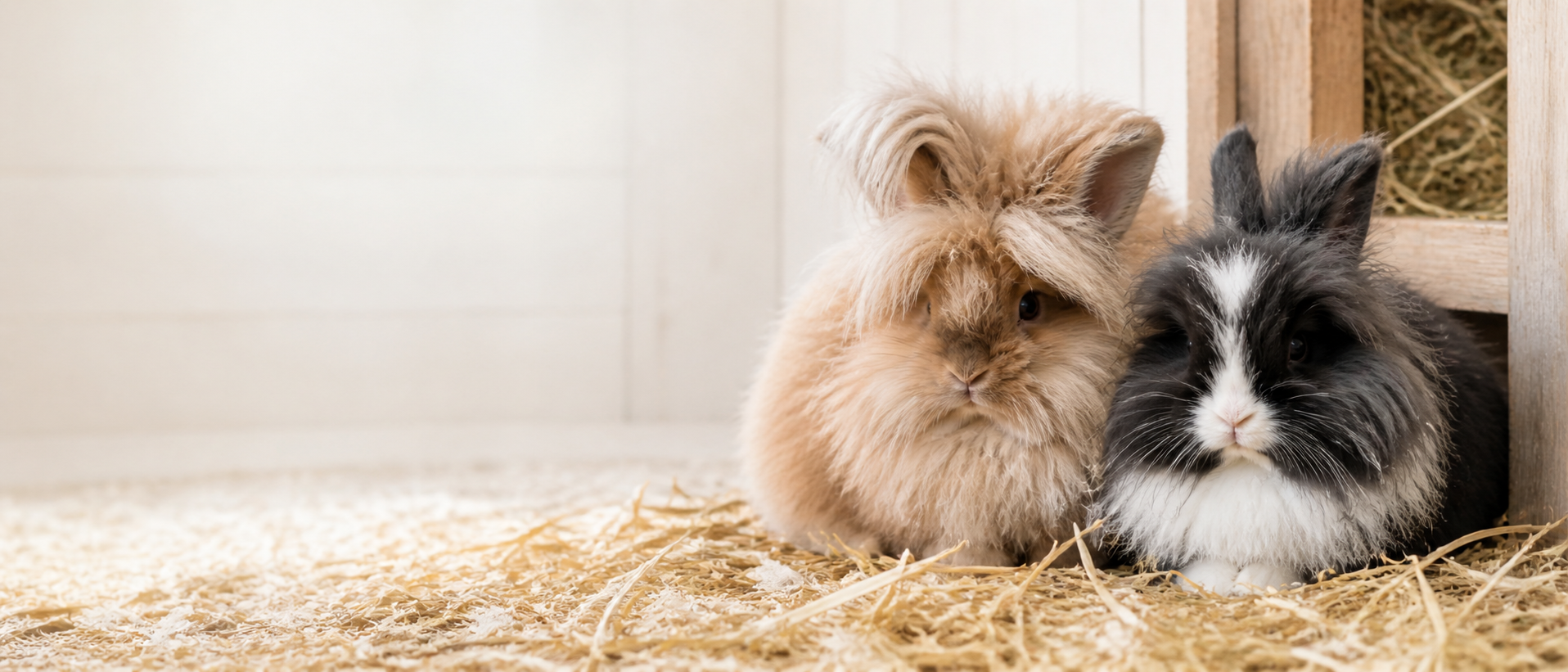
Choose fresh, fibre-rich hay your rabbit will actually eat
Hay is the most important part of a rabbit’s diet. It supports digestion, helps wear down teeth and encourages natural grazing behaviour.
Hay is the most important part of a rabbit’s diet
Hay is the most important part of a rabbit’s diet. In fact, it should make up around 80–90% of everything your rabbit eats. Hay provides the fibre rabbits need for healthy digestion and also helps wear down their constantly growing teeth.
Choosing the right type of hay can make a big difference in your rabbit’s health and happiness. In this guide, we’ll explain the best types of hay for rabbits and how to choose high-quality hay.
Why hay is essential for rabbits
Rabbits have a digestive system that relies heavily on fibre. Without enough hay, rabbits can develop serious health problems such as digestive issues or dental problems.
- Supports healthy digestion.
- Helps reduce the risk of gastrointestinal stasis.
- Wears down teeth naturally.
- Encourages natural grazing behaviour.
- Keeps rabbits occupied and mentally stimulated.
Best types of hay for rabbits
Timothy, meadow and orchard grass hay are excellent everyday options for most adult rabbits. Alfalfa hay is richer and is usually best for young rabbits.
Timothy hay
Timothy hay is one of the most popular and widely recommended types of hay for rabbits. It is high in fibre and relatively low in calcium and protein, making it ideal for adult rabbits.
Meadow hay
Meadow hay is made from a mixture of natural grasses and plants. This variety can be especially appealing because it often includes different textures and flavours that rabbits enjoy.
- Variety of grasses
- Natural taste
- Good fibre content
- Feels close to natural grazing
Orchard grass hay
Orchard grass hay is softer than timothy hay and has a slightly sweet smell. It can be a good alternative for rabbits that are picky eaters or refuse timothy hay.
- Soft and leafy
- High in fibre
- Gentle on sensitive noses
- May produce less dust
Alfalfa hay
Alfalfa hay is different because it is a legume rather than a grass. It contains higher levels of protein and calcium, so it is usually recommended for young rabbits or rabbits needing extra calories.
- Best for baby rabbits
- Useful for young rabbits under six months
- Higher in calories
- Usually not ideal as a main adult rabbit hay
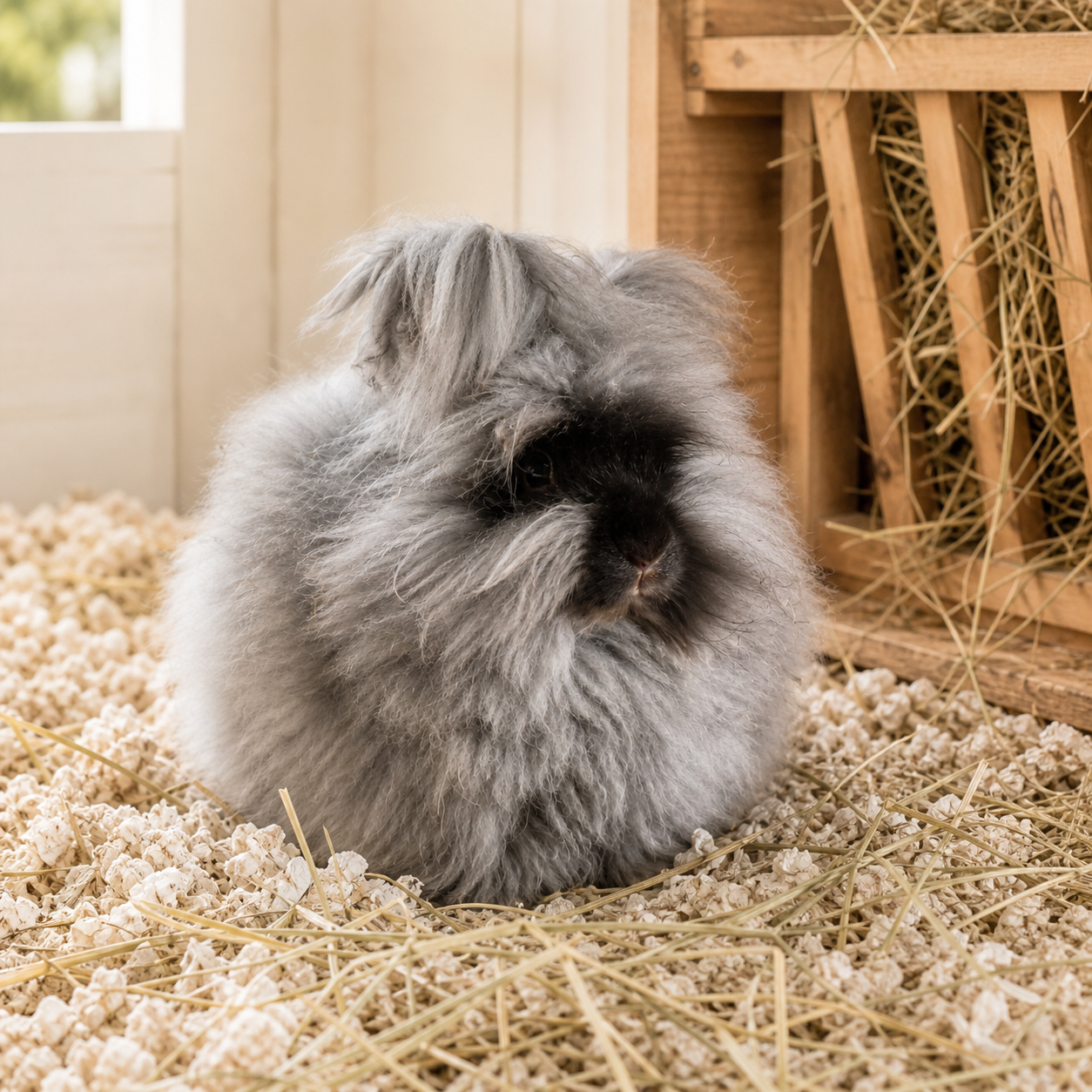
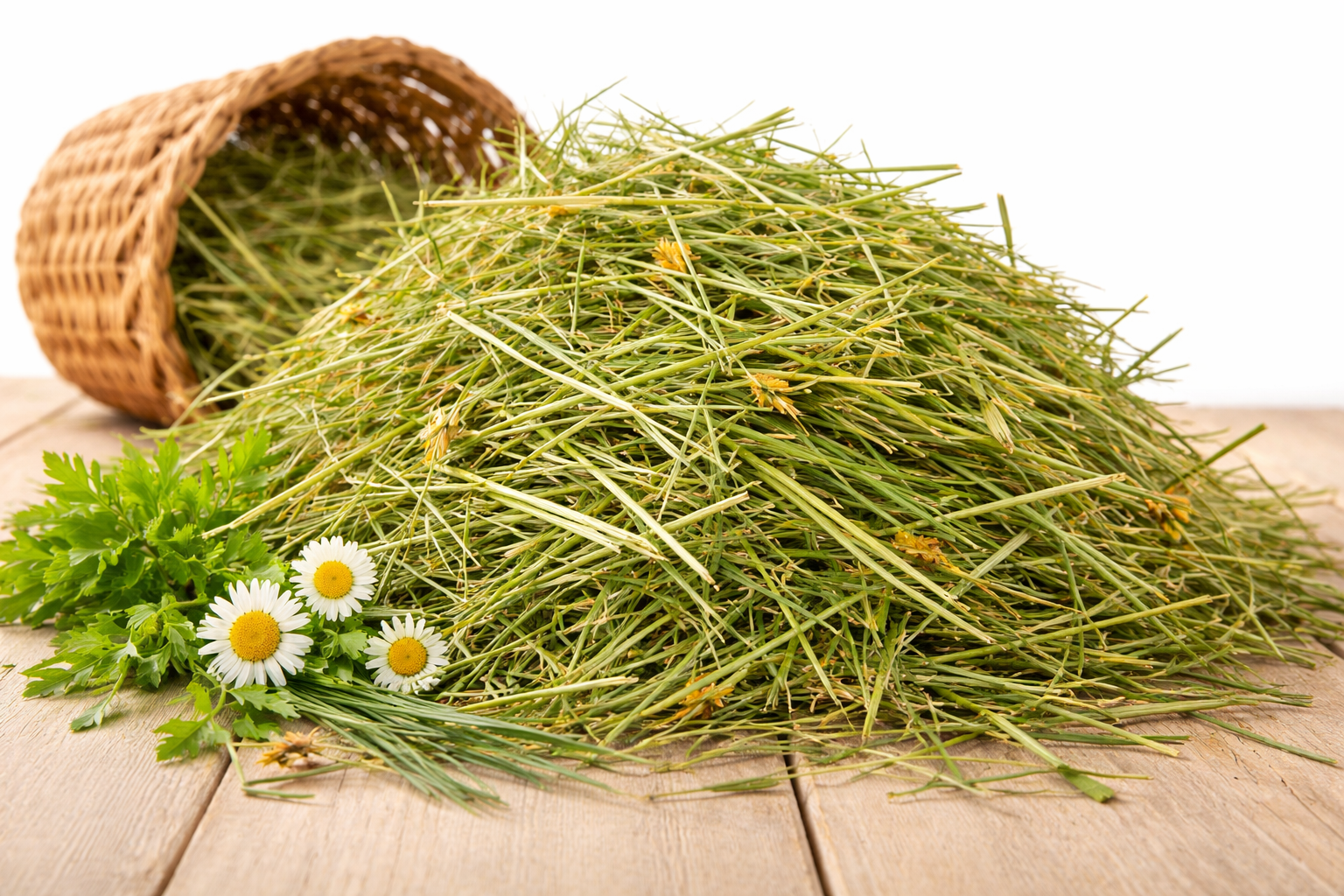
Make hay easy, fresh and tempting
Many rabbits enjoy eating hay throughout the day and night. Keeping hay constantly available encourages natural feeding behaviour and gives your rabbit something healthy to nibble, forage and pull apart.
Try placing hay near the litter tray, adding fresh handfuls often and offering different textures if your rabbit seems fussy. Some rabbits prefer softer hay, while others enjoy a coarser, stalkier mix.
What high-quality hay looks like
Not all hay is the same quality. Fresh, high-quality hay should look, smell and feel clean. Avoid hay that looks brown, smells musty or feels overly dusty.
- Fresh colour Good hay is usually green or slightly golden, not dull brown.
- Pleasant smell Fresh hay should smell grassy, fragrant and clean.
- Dry and clean It should be free from mould, dampness and clumps.
- Mostly dust-free Some small particles are normal, but hay should not be clouds of dust.
How much hay should rabbits eat?
Rabbits should have unlimited hay available at all times. A good rule of thumb is that a rabbit should eat a pile of hay roughly the size of their body every day.
Offer unlimited hay
Keep hay topped up throughout the day so your rabbit can graze whenever they want.
Refresh it often
Rabbits are more likely to eat hay that smells fresh and has just been added.
Watch daily intake
A sudden drop in hay eating can be important, especially if your rabbit also seems quiet or stops pooing.
Tips for encouraging rabbits to eat more hay
If your rabbit doesn’t seem interested in hay, there are a few simple things you can try. Small changes in freshness, placement and variety can make a big difference.
- Offer different types of hay, such as timothy, meadow or orchard grass.
- Place hay near or inside the litter tray, as many rabbits like to eat while toileting.
- Provide fresh hay multiple times per day to make it more tempting.
- Use hay feeders, racks or boxes to keep hay cleaner and easier to access.
- Mix softer and stalkier textures to discover what your rabbit prefers.
Hay bags and hay feeders for rabbit setups
Hay bags and feeders can help keep fresh hay easy to reach, tidier and off the floor. Choose a style that suits your setup, and always check fabric, hooks and fixings regularly for chewing or wear.
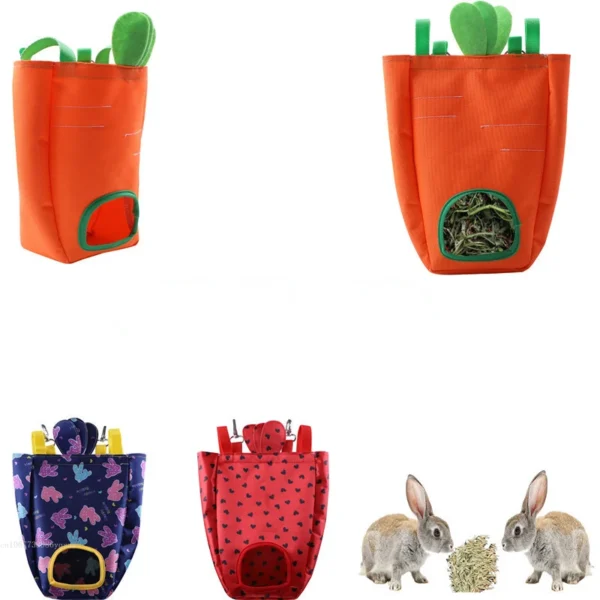
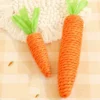
Carrot-Shaped Hanging Hay Bag
£8.63Compact hanging hay bag with cute carrot and patterned designs.
View product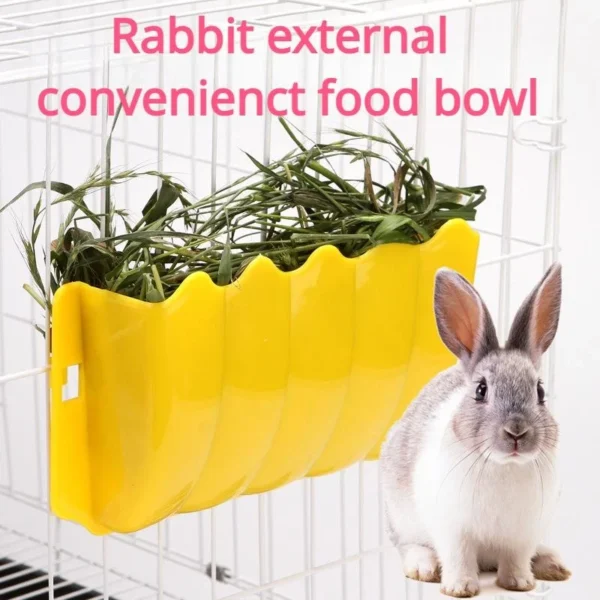
Compact Plastic Hay Rack
£8.26 – £8.30A simple rack-style feeder for keeping hay more contained.
View product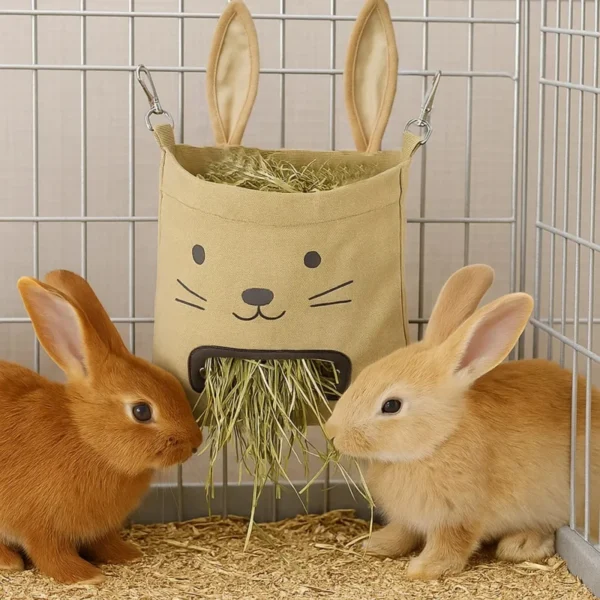
Rabbit-Face Hanging Hay Bag
£11.06Cute hanging hay bag for indoor pens, hutches and feeding areas.
View product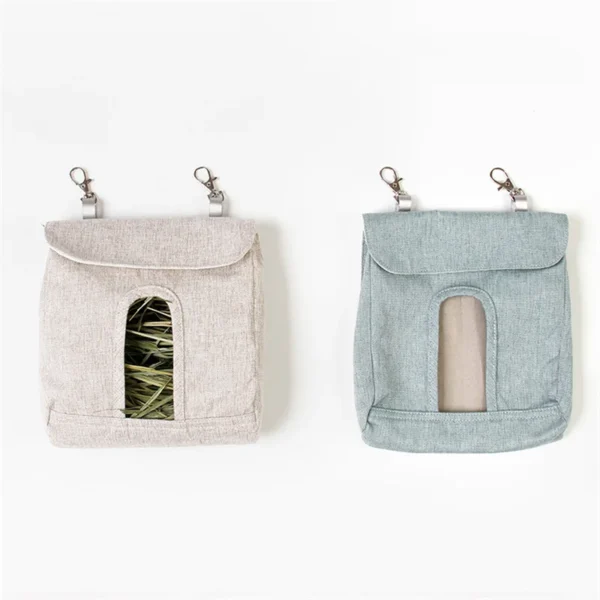
Cloth Hanging Hay Bag
£7.50 – £9.83Available in different sizes for supervised hay-feeding setups.
View product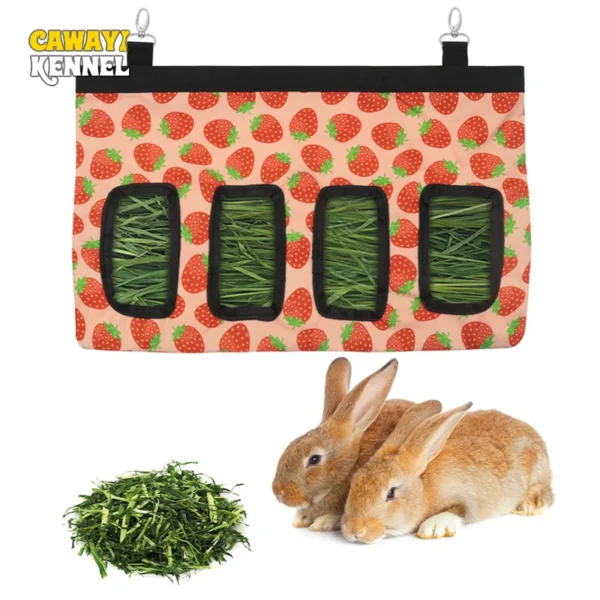
Hanging Hay Feeder Bag
£9.63 – £9.78Multi-hole fabric feeder to help reduce loose hay around the enclosure.
View product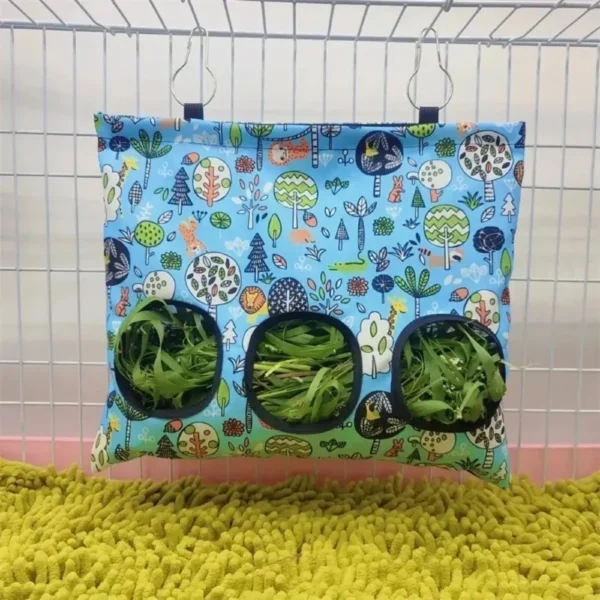
Hanging Rabbit Hay Feeder Bag
£10.08 – £10.46Oxford-style hanging hay bag with two-hole and three-hole styles.
View product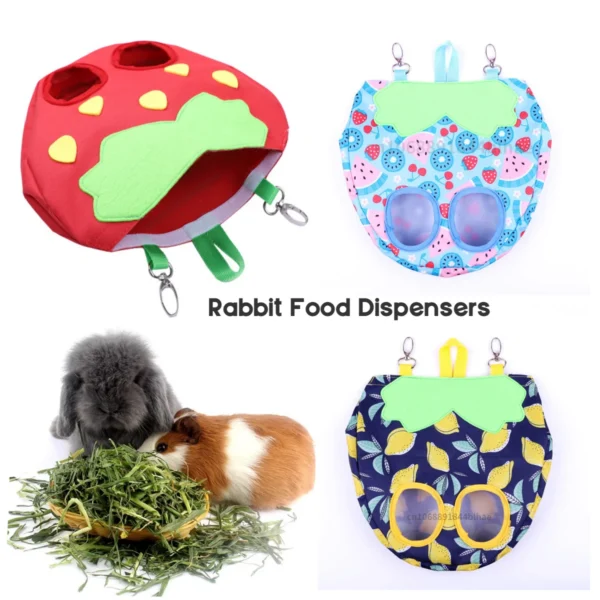
Patterned Hanging Hay Bag
£9.05Patterned hanging bag with several cheerful design options.
View product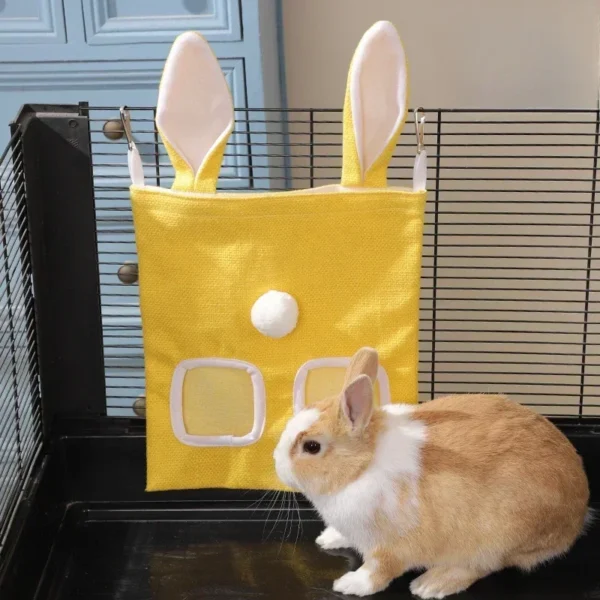
PU Leather Hanging Hay Bag
£7.96Reusable hanging feeder with front openings for hay access.
View product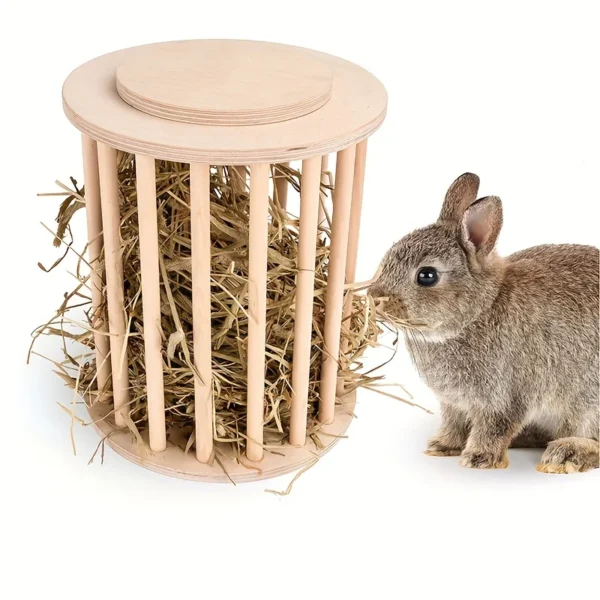
Wooden Vertical Hay Feeder
£21.44Upright wooden-style rack for tidy hay storage in suitable setups.
View productFAQs about rabbit hay
Quick answers to common questions about choosing hay, feeding enough of it and using hay bags safely.
What is the best hay for rabbits?
Timothy hay, meadow hay and orchard grass hay are all good everyday choices for most adult rabbits. The best hay is fresh, clean, mostly dust-free and something your rabbit will happily eat.
Should rabbits have hay all the time?
Yes. Rabbits should have unlimited fresh hay available at all times so they can graze throughout the day and night.
Are hay bags and hay feeders useful for rabbits?
Yes, they can help keep hay accessible, organised and off the floor. Always hang them securely and remove them if your rabbit chews fabric, hooks, straps or loose parts.
Can adult rabbits eat alfalfa hay?
Alfalfa hay is richer than grass hay, so it is usually better for young rabbits or rabbits needing extra calories rather than as the main hay for most healthy adults.
How can I encourage my rabbit to eat more hay?
Offer fresh hay several times a day, try different types, place hay near the litter tray and use safe hay feeders or boxes to make hay easy to reach.
Hay is the foundation of a healthy rabbit diet
Providing unlimited high-quality hay helps support digestion, dental health and natural grazing behaviour. Timothy hay, meadow hay and orchard grass hay are all excellent choices for adult rabbits, while alfalfa hay is best suited for young rabbits.
By choosing fresh, high-quality hay and making sure it is always available, you can help keep your rabbit healthy, active and happy.
Related rabbit care guides
More useful guides for feeding, housing and caring for rabbits.
RabbitCare.co.uk provides general rabbit care information for UK owners. It does not replace advice from a rabbit-savvy vet. If your rabbit stops eating, stops pooing, seems in pain or is suddenly unwell, contact a vet urgently.