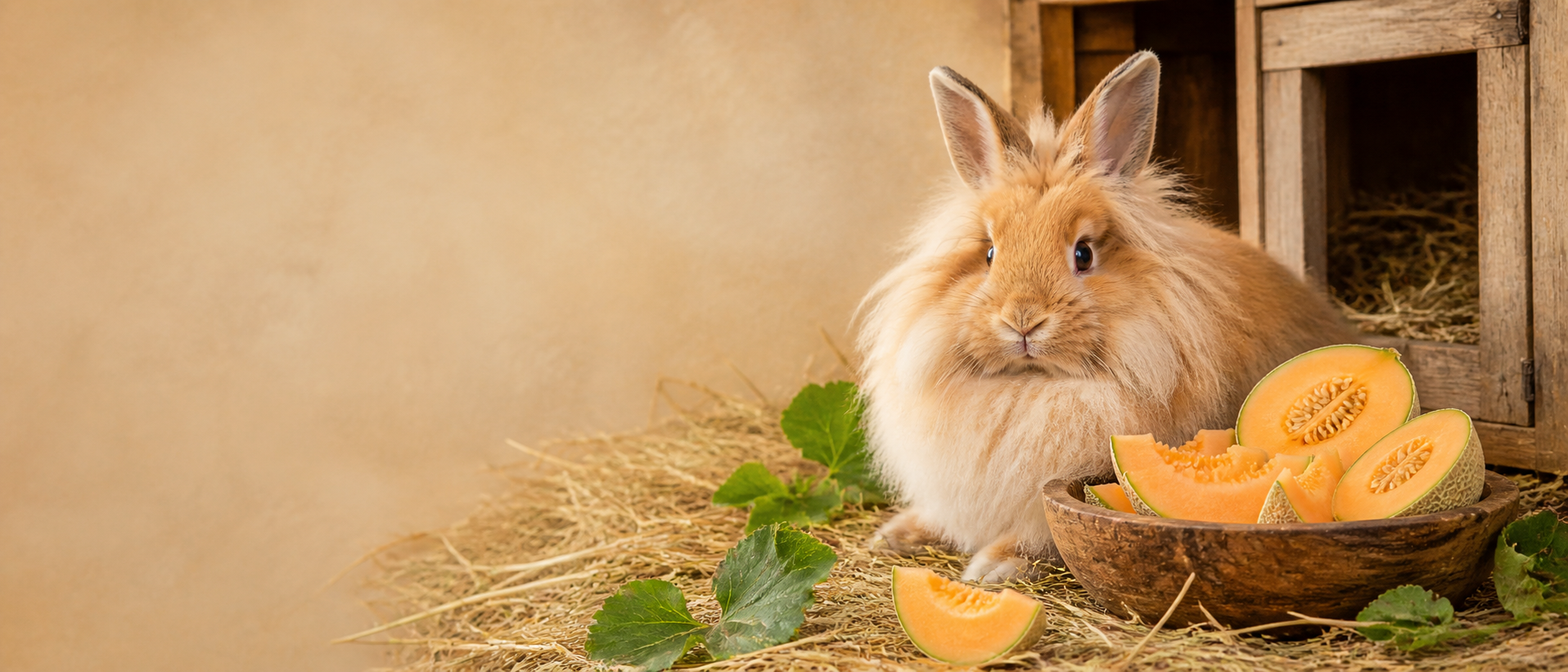
Yes, rabbits can eat cantaloupe flesh, but keep portions very small
Fresh cantaloupe flesh is safe for rabbits as an occasional treat, but it is very high in water and sugar, small portions and infrequent feeding are essential.
Cantaloupe is one of the sweetest and wateriest fruits you can offer
Cantaloupe melon is a fragrant, orange-fleshed fruit that many rabbits find irresistible. Its sweet scent and soft texture tend to attract immediate interest, and the flesh is safe for rabbits in small amounts as an occasional treat.
However, cantaloupe stands out from most other fruit treats because of just how high it is in both water and natural sugar. Its very high moisture content means even a small amount can loosen stools if a rabbit is not used to it, and the sugar content means overfeeding is a real risk with a fruit this appealing. Small portions and careful introduction are the keys to offering it safely.
Is cantaloupe melon safe for rabbits?
Yes, the orange flesh of a ripe cantaloupe is safe for most healthy adult rabbits when offered in very small amounts. Only the flesh is appropriate, the rind and seeds should both be removed before feeding, as the tough, ridged rind is difficult to digest and the seeds are unnecessary.
As always, hay should make up around 80–90% of a rabbit’s daily food intake. Cantaloupe is a treat to be offered on top of a complete diet, not a substitute for leafy greens or vegetables. Because it is so moist and sweet, it warrants extra care with portion size compared to drier, less sugary fruits.
Nutritional value of cantaloupe melon
Cantaloupe flesh contains useful vitamins and antioxidants, but its exceptionally high water and sugar content mean it sits firmly in the treat category rather than the everyday vegetable rotation.
Vitamin A
Cantaloupe’s vibrant orange colour comes from beta-carotene, which converts to vitamin A, one of its most notable nutritional contributions.
Vitamin C
Cantaloupe provides a useful amount of vitamin C, though fruit should not be relied upon as a rabbit’s primary vitamin source.
Antioxidants
The carotenoids that give cantaloupe its colour also act as antioxidants, though the treat amounts offered are very small.
Very high water content
Cantaloupe is around 90% water, one of the highest of any fruit. Even a small cube can add significant moisture and may loosen stools if offered too often.
High natural sugars
Cantaloupe is noticeably sweeter than most berries. The sugar content is a key reason to keep portions very small and infrequent.
Hay comes first
Cantaloupe should never replace hay, fresh water, leafy greens or a balanced daily rabbit diet.
How much cantaloupe can rabbits eat?
Because cantaloupe is so high in water and sugar, portions should be kept smaller than for most other fruits. One or two small cubes of flesh, roughly a teaspoon’s worth, once a week is a sensible maximum for a healthy adult rabbit.
Smaller rabbits should receive even less. If you are offering cantaloupe for the first time, start with a single small piece and give your rabbit a day or two before offering more, watching for any changes in droppings or appetite. Loose stools after cantaloupe are a sign the portion was too large or the introduction too fast.
- Offer one or two small cubes of flesh, not a large slice or wedge.
- Feed cantaloupe no more than once a week.
- Always remove the rind and seeds before serving.
- Introduce very gradually and monitor droppings over the following day.
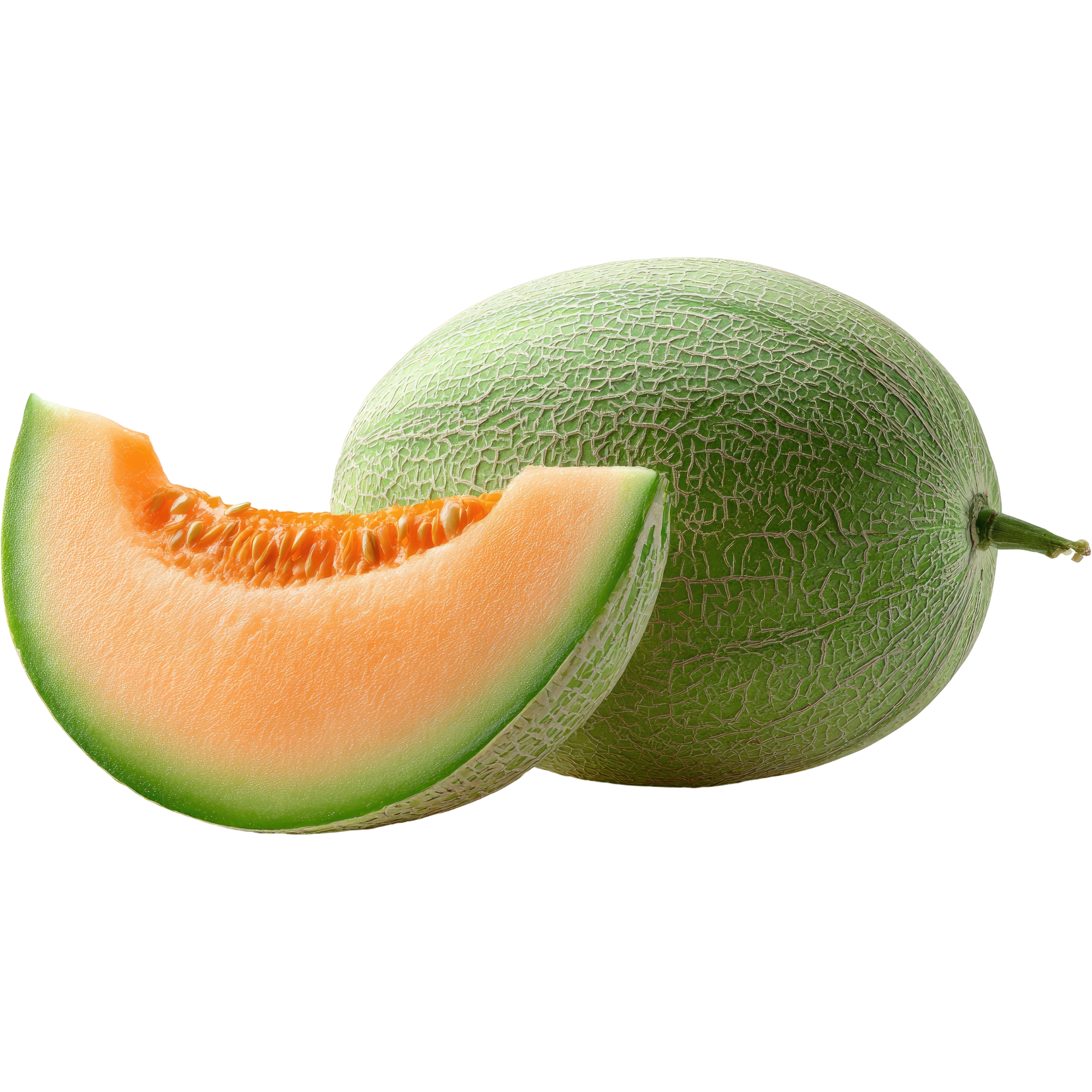
Remove the rind and seeds, only the flesh is appropriate
Unlike some fruits where only one part needs attention, cantaloupe has two parts to remove before feeding: the tough outer rind and the inner seeds. The flesh alone is what rabbits should eat.
- Remove the rind completely Cantaloupe rind is tough, fibrous and difficult for a rabbit to digest properly. Always cut it away and serve only the soft orange flesh. Do not leave any rind attached to the edges of the piece.
- Scoop out the seeds The soft seeds in the centre of the cantaloupe should be scooped out and discarded before cutting the flesh into serving pieces. The seeds are not acutely toxic but they are unnecessary and best avoided.
- No melon drinks or processed products Do not feed cantaloupe juice, melon-flavoured sweets, dried melon, tinned melon or any processed cantaloupe product. Only fresh, ripe, raw cantaloupe flesh is appropriate for rabbits.
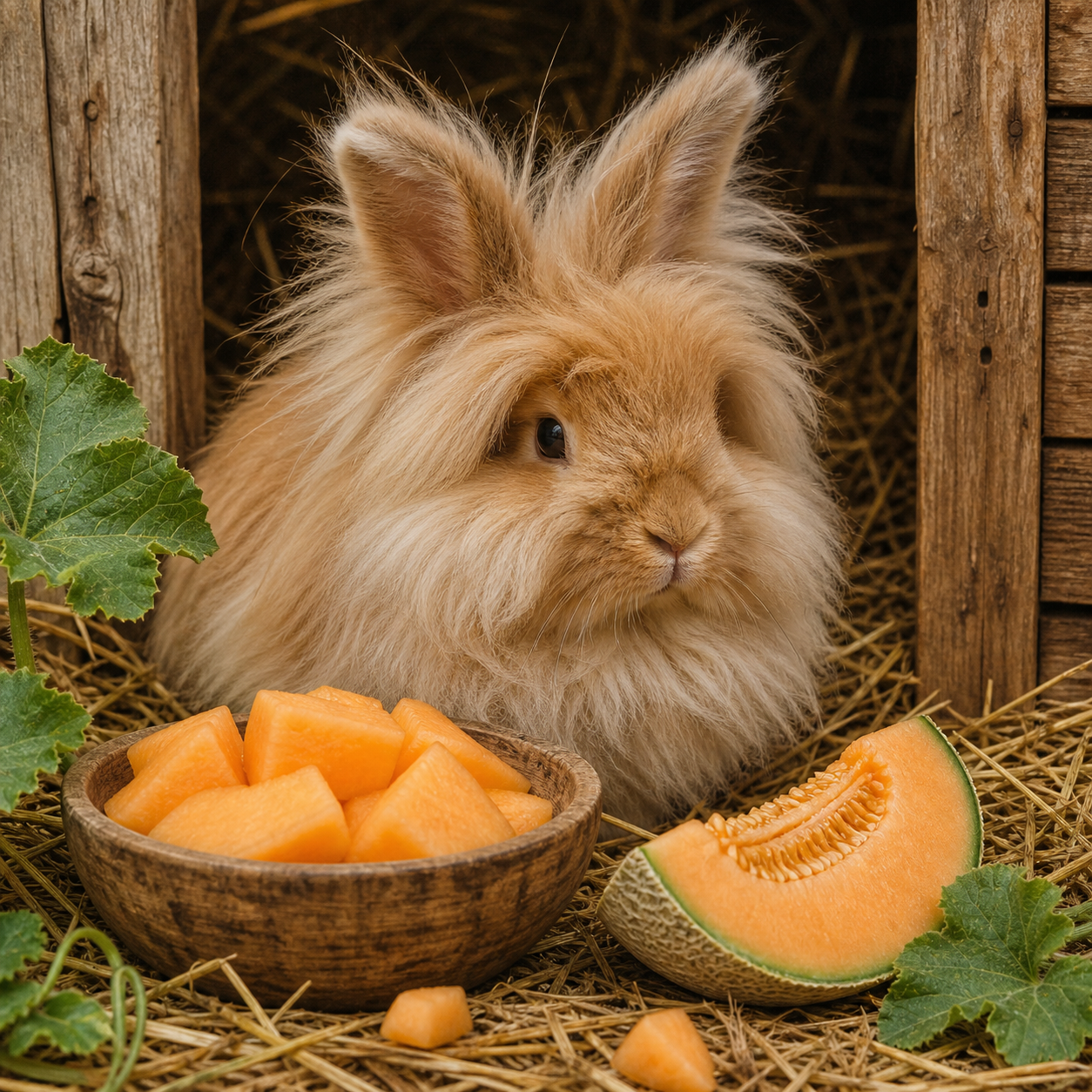
Most rabbits are drawn to cantaloupe immediately
The sweet fragrance of ripe cantaloupe tends to attract rabbits even before it is placed in front of them. Most will approach it eagerly and eat it quickly, which makes it one of the easier fruits to use as a gentle bonding or handling treat, but also one where portion discipline is especially important.
Because cantaloupe is so moist, it is also worth removing any uneaten piece from the enclosure fairly quickly, soft, wet fruit left in warm conditions can spoil faster than drier treats and should not be left sitting for more than an hour or so.
How to prepare cantaloupe melon for rabbits
Preparing cantaloupe safely takes only a moment and the steps are consistent every time, rind off, seeds out, flesh portioned small.
Choose a ripe cantaloupe
Use a fresh, fully ripe cantaloupe with fragrant, deep orange flesh. Avoid overripe or watery-tasting fruit, and never use tinned or dried melon.
Remove rind and seeds
Cut away the rind completely and scoop out all seeds from the centre. Check no rind remains on the edges of the flesh before portioning.
Cut into small cubes
Slice the flesh into small, clearly portioned cubes, around a teaspoon’s worth in total. Do not offer a full wedge or slice.
Serve and remove promptly
Offer one or two cubes and remove any uneaten cantaloupe after an hour, as the soft, moist flesh spoils quickly in warm conditions.
Benefits and signs your rabbit enjoys cantaloupe
When offered in the right amounts, cantaloupe can be one of the most enthusiastically received treats in your rotation. The challenge is keeping the portions firmly small despite that enthusiasm.
Highly attractive to most rabbits
The sweet fragrance and soft texture of cantaloupe make it one of the most immediately appealing fruit treats you can offer.
Good source of vitamin A
The beta-carotene in cantaloupe’s orange flesh is one of its nutritional highlights, complementing a diet already built on hay and greens.
Hydrating in small amounts
The high water content can contribute a small hydration boost alongside fresh water, though it also means portions must stay very small.
Bonding treat
Because rabbits tend to respond to cantaloupe eagerly, it works well as a calm, positive interaction treat during handling or grooming.
Signs they enjoy it
Your rabbit may come over as soon as it smells the melon, eat it quickly, look for more or sniff around the feeding spot afterwards.
Remove leftovers promptly
Unlike drier treats, any uneaten cantaloupe should be removed within an hour to prevent it spoiling in the enclosure.
Cantaloupe melon for rabbits FAQs
Quick answers to common questions about feeding cantaloupe melon to rabbits safely.
Can rabbits eat cantaloupe melon?
Yes, rabbits can eat fresh cantaloupe flesh in very small amounts. It should be an occasional treat only, with the rind and seeds removed before feeding.
How much cantaloupe can a rabbit have?
A sensible maximum for most healthy adult rabbits is one or two small cubes of cantaloupe flesh, roughly a teaspoon in total, no more than once a week.
Can rabbits eat cantaloupe rind?
No, cantaloupe rind should be removed. It is tough, fibrous and difficult for rabbits to digest, so only the soft orange flesh should be offered.
Can rabbits eat cantaloupe seeds?
Cantaloupe seeds are best avoided. They are unnecessary and should be scooped out before the flesh is cut into small pieces for your rabbit.
Can baby rabbits eat cantaloupe?
Baby rabbits should not be given cantaloupe. Young rabbits have sensitive digestive systems and should stay on an appropriate hay-based diet recommended for their age.
Cantaloupe can be a safe and very popular rabbit treat in tiny amounts
Rabbits can eat cantaloupe melon flesh in small amounts, and most find it genuinely irresistible. It is one of the sweeter and waterier fruits in this guide series, which means the preparation steps, rind off, seeds out, portions small, need to be followed consistently every time.
Keep portions to one or two small cubes once a week at most, introduce it gradually the first time, and always remove any uneaten piece promptly. Never feed the rind, seeds or any processed melon product. As with all fruit, cantaloupe is a treat on top of a diet that must be based firmly on hay, with leafy greens and vegetables providing the daily nutrition.
Related rabbit care guides
More useful guides for rabbit foods, treats and daily diet basics.
RabbitCare.co.uk provides general rabbit care information for UK owners. It does not replace advice from a rabbit-savvy vet. If your rabbit stops eating, stops pooing, seems in pain or is suddenly unwell, contact a vet urgently.