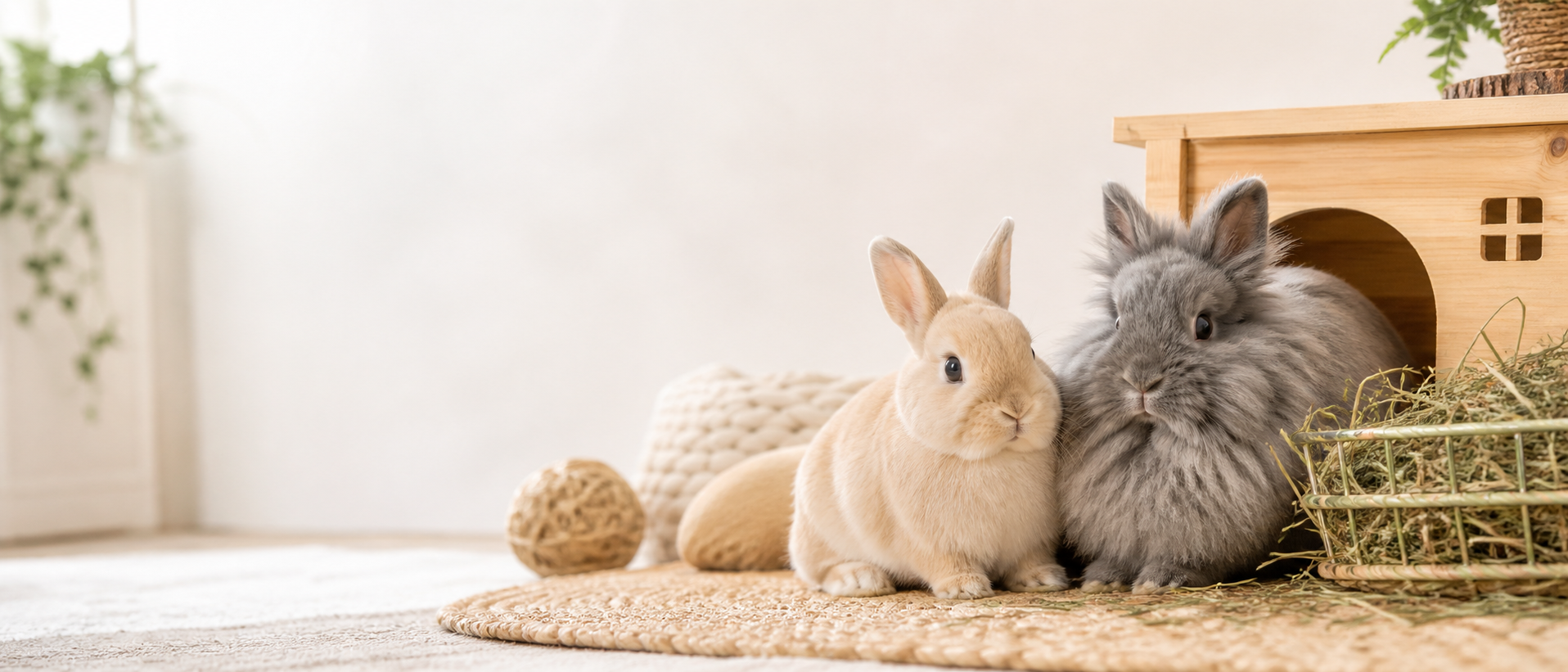
Start with space, hay, routine and trust
Bringing a rabbit home for the first time is exciting, but rabbits have specific care needs. This guide covers the essentials for a happy, healthy start.
Bringing a rabbit home for the first time
Bringing a rabbit home for the first time can be an exciting experience. Rabbits are intelligent, social animals that can form strong bonds with their owners. However, they also have specific care needs that are different from many other small pets.
If you’re a new rabbit owner, learning the basics of rabbit care will help ensure your pet stays happy and healthy. This guide covers everything you need to know to get started.
Rabbits need space to move, stretch and explore
Rabbits need plenty of space to move, stretch and explore. Many cages sold in pet stores are too small for rabbits.
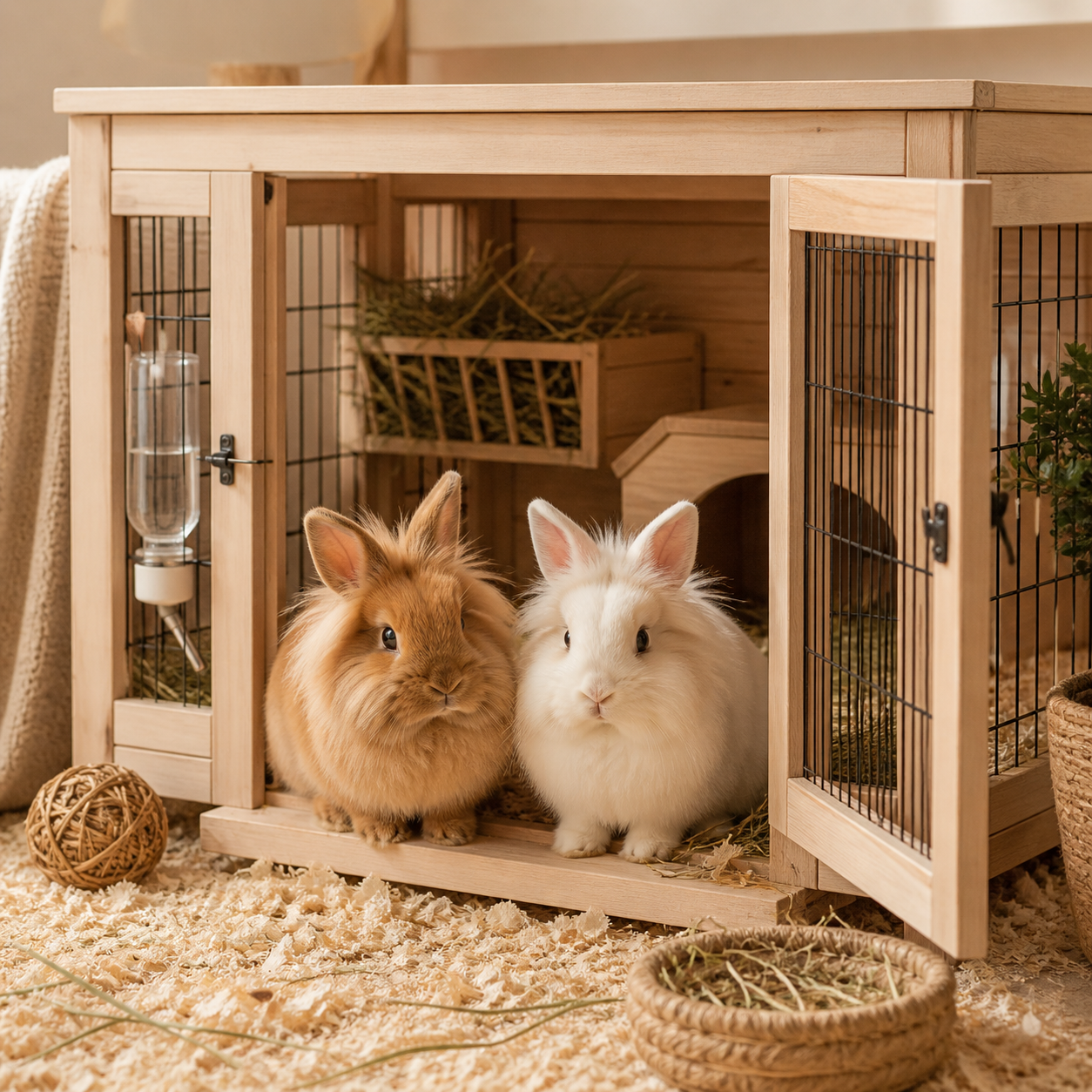
A rabbit enclosure should allow your rabbit to stand fully upright, stretch out comfortably and hop several steps in any direction. Many owners prefer large exercise pens or indoor enclosures instead of small cages.
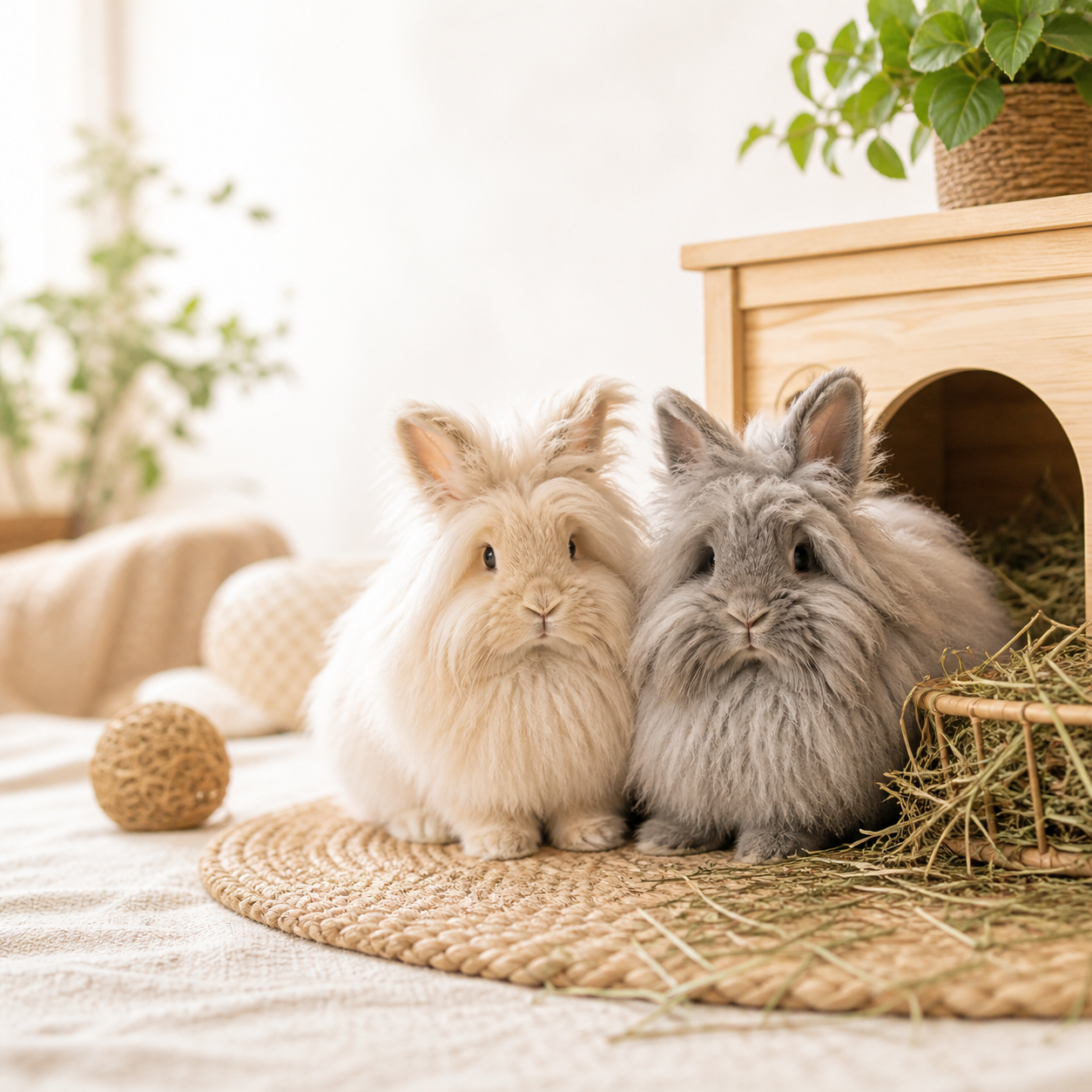
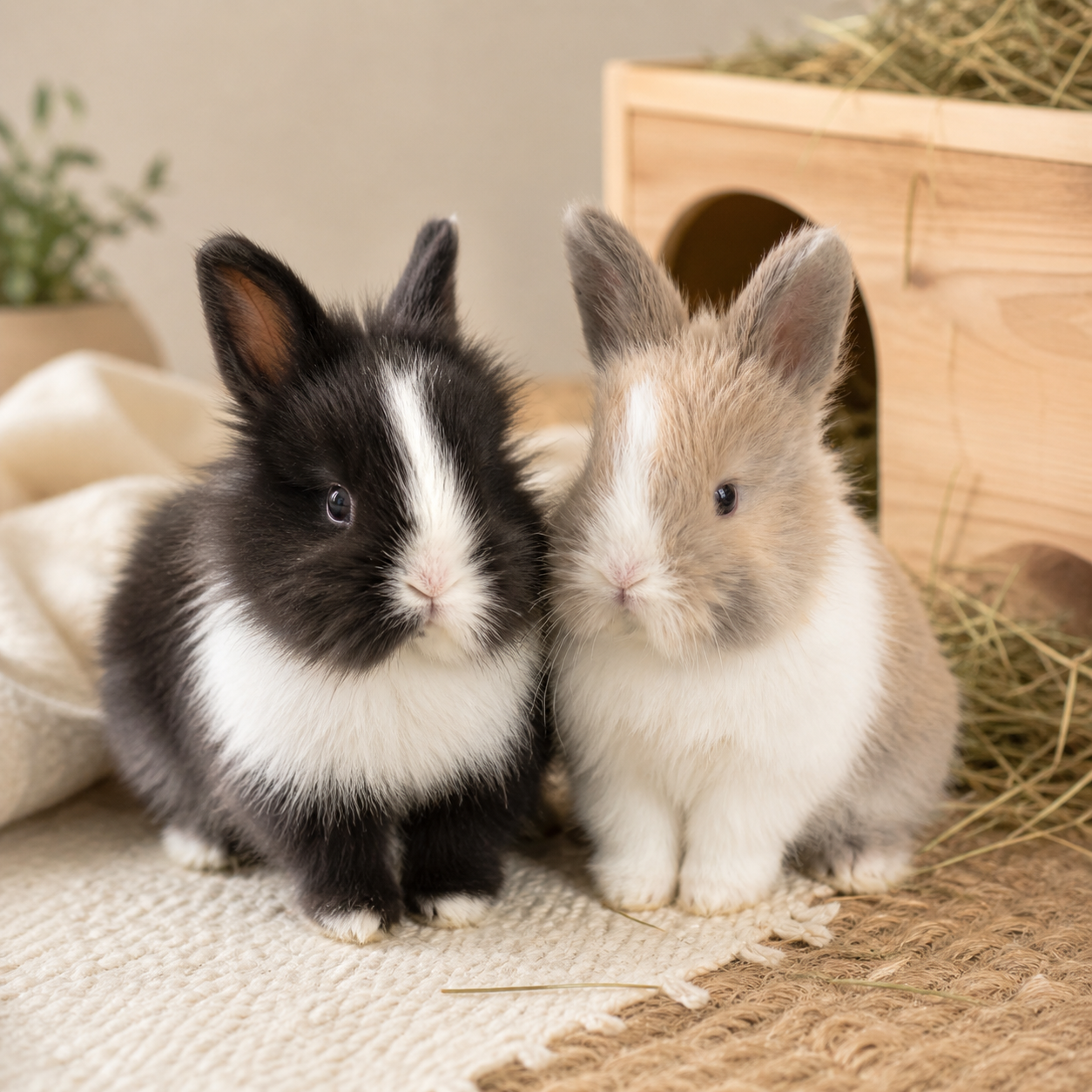
What your rabbit’s home should include
The enclosure should include a litter box, hay feeder, food and water bowls, a hiding area and toys for enrichment. Giving rabbits enough space helps prevent boredom and supports healthy exercise.
- A litter box with rabbit-safe litter.
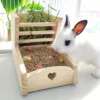
- A hay feeder or hay area with fresh hay available at all times.
- Food and water bowls, with clean water always available.
- A hiding area where your rabbit can feel safe.
- Toys and enrichment to encourage natural behaviour.
A proper diet is essential
A healthy rabbit diet should be based mostly on hay, with fresh vegetables, small amounts of pellets and clean water.
Hay: 80–90% of diet
Hay provides fibre and helps keep your rabbit’s teeth healthy.
Fresh vegetables
Leafy greens such as romaine lettuce, parsley, basil and coriander are great choices.
Rabbit pellets
Pellets should only be given in small amounts.
Fresh water
Clean water should always be available.
Some human foods are unsafe for rabbits
Avoid giving rabbits processed foods, chocolate, bread or dairy products. Rabbits need a high-fibre diet built around hay, not human snacks.
- Processed foods Avoid crisps, biscuits, sweets and other human snacks.
- Chocolate Chocolate is not suitable for rabbits.
- Bread Bread does not support a rabbit’s digestive needs.
- Dairy products Rabbits should not be fed milk, cheese or yoghurt.
Many rabbits can learn to use a litter tray
Many people are surprised to learn that rabbits can be easily litter trained. Most rabbits learn quickly and prefer using a litter tray once they understand where it is.
Choose their corner
Place a litter tray in the corner where your rabbit usually goes.
Use rabbit-safe litter
Paper-based bedding is a useful rabbit-safe litter option.
Add hay nearby
Add hay to the litter area to encourage your rabbit to use it.
Keep curious rabbits busy
Rabbits are curious animals that enjoy exploring and chewing. Providing enrichment keeps rabbits mentally stimulated and helps prevent boredom.
Cardboard tunnels
Tunnels give rabbits somewhere to explore, hide and run through.
Willow balls
Willow toys can encourage safe chewing and play.
Untreated wooden chew toys
Safe chew toys help satisfy natural chewing behaviour.
Digging boxes
Boxes filled with paper or hay can provide natural digging enrichment.
Hideouts
Hiding spaces help rabbits feel safe and secure.
Rotating toys
Changing toys regularly can keep enrichment interesting.
Regular health care is important
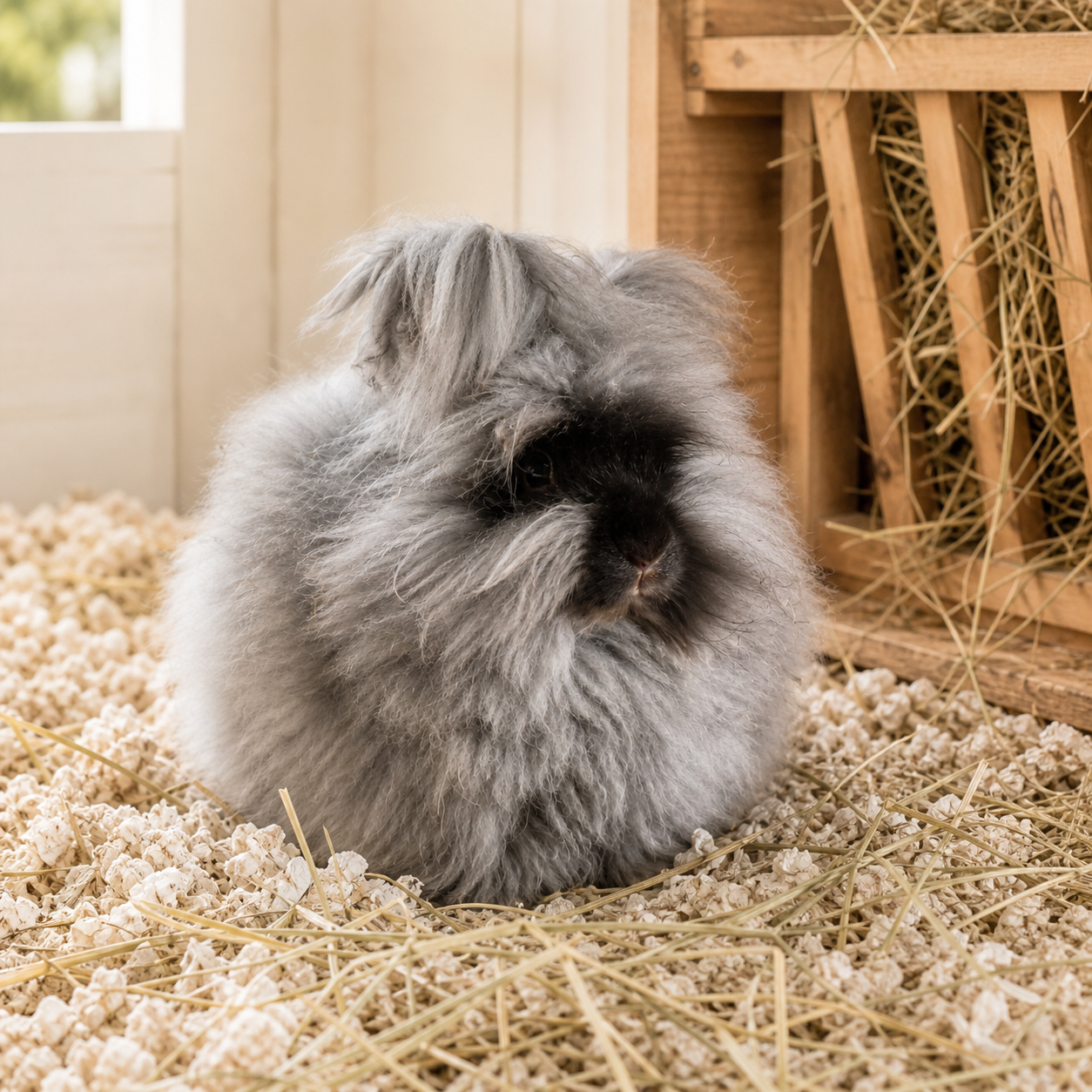
Regular health care is important for rabbits. Basic care includes brushing long-haired rabbits, checking nails, monitoring eating habits and watching droppings.
- Grooming Brush long-haired rabbits regularly to prevent matting.
- Nails Check nails and trim them when needed.
- Daily checks Monitor eating habits and droppings.
- Vet care See a rabbit-savvy veterinarian for vaccinations and health checks.
How rabbits show they feel safe
Healthy and content rabbits often show behaviours that suggest they feel safe, comfortable and relaxed.
Zoomies
Running and jumping can show excitement and energy.
Relaxed lying
Stretching out or flopping can show comfort and trust.
Nose nudges
Gentle nudges can be a social or curious behaviour.
Tooth purring
Soft tooth purring while being petted can show contentment.
New rabbit owner FAQs
Quick answers to common questions from first-time rabbit owners.
What should a new rabbit owner prepare first?
A new rabbit owner should prepare a roomy enclosure or pen, unlimited hay, fresh water, safe flooring, a litter tray, hiding places, chew toys and the contact details for a rabbit-savvy vet before the rabbit arrives.
What is the most important food for a new rabbit?
Hay is the most important food for rabbits. Fresh feeding hay should be available at all times because it supports digestion and helps wear rabbit teeth naturally.
Can rabbits live in a small cage?
Rabbits should not live in a small cage as their main space. They need enough room to stand, stretch, hop, explore, hide and exercise every day.
Are rabbits easy to litter train?
Many rabbits can learn to use a litter tray, especially when the tray is placed in their chosen toilet corner and hay is offered nearby.
When should a new rabbit owner call a vet?
Contact a rabbit-savvy vet urgently if a rabbit stops eating, stops pooing, seems bloated, has breathing problems, has severe diarrhoea, shows head tilt, collapses or suddenly seems very unwell.
A good start helps build a strong bond
Rabbits can make wonderful pets when their needs are properly understood. With the right enclosure, diet and daily interaction, rabbits can live happy and healthy lives for 8–12 years or more.
Learning about rabbit care early will help you build a strong bond with your new pet and provide the best possible home.
Related rabbit care guides
More useful beginner guides for housing, food, bedding and rabbit health.
RabbitCare.co.uk provides general rabbit care information for UK owners. It does not replace advice from a rabbit-savvy vet. If your rabbit stops eating, stops pooing, seems in pain or is suddenly unwell, contact a vet urgently.



Rabbits are very social animals
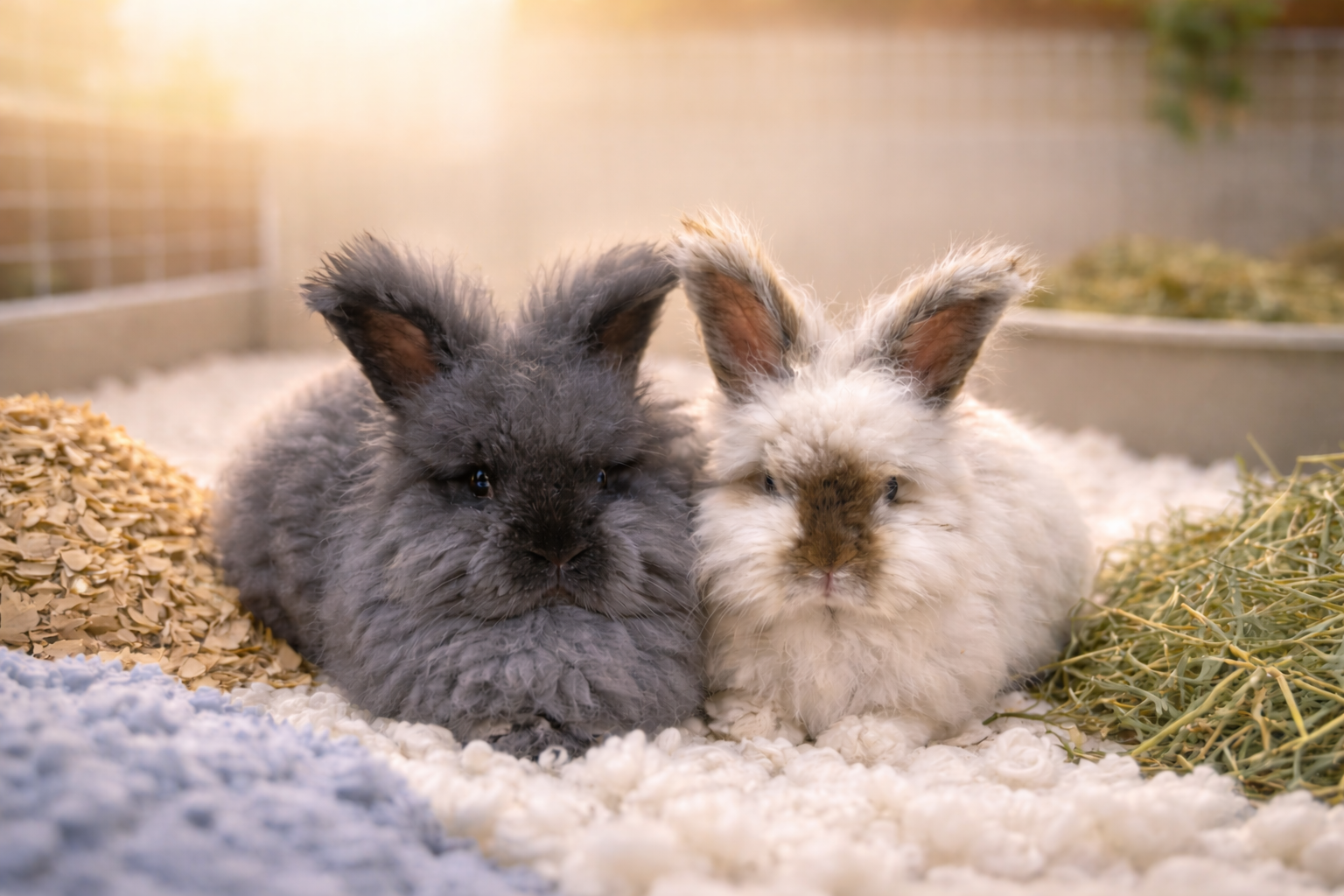
Rabbits are very social animals. In the wild, they live in groups and rely on companionship. Your rabbit will benefit from daily interaction with you, toys and enrichment, and time outside their enclosure.
Many rabbits also enjoy living with another rabbit, though proper introductions are important. Bonding rabbits should be done carefully and calmly.