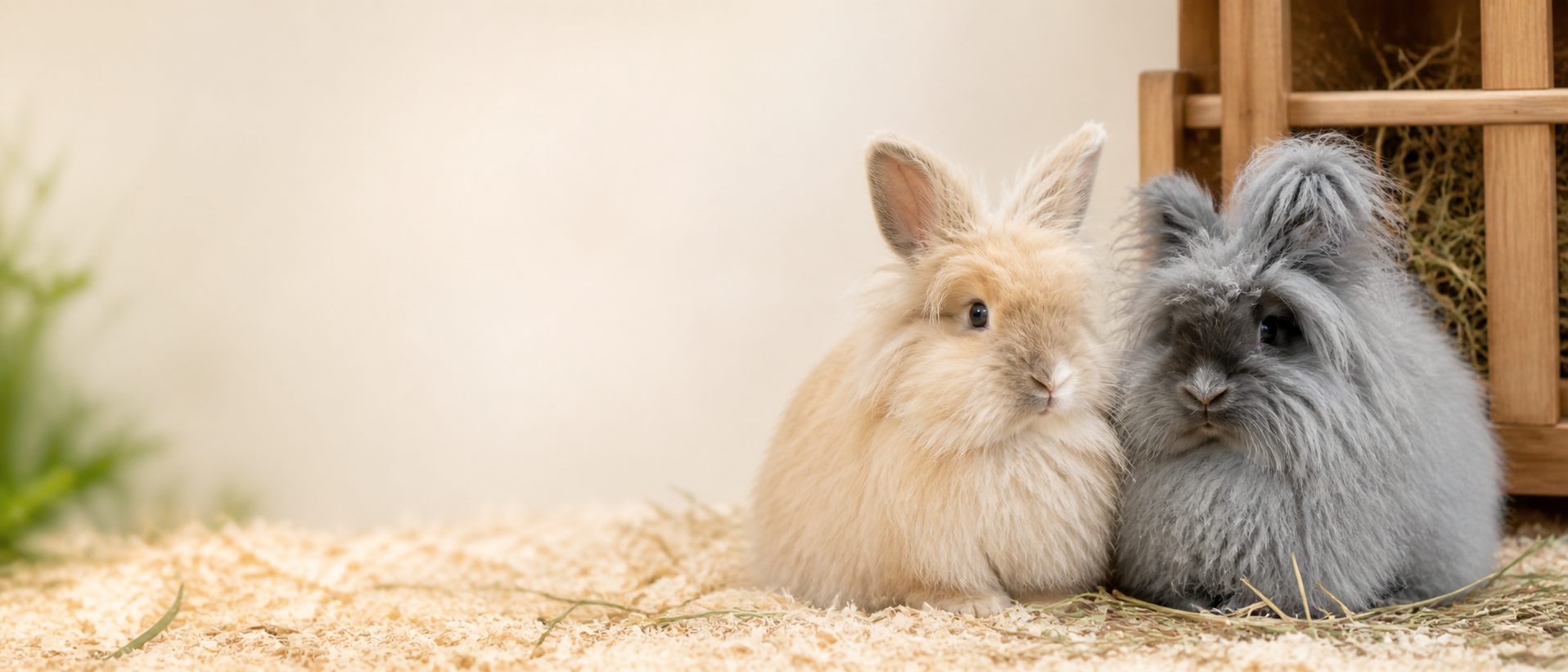
Small changes in rabbits can matter
Rabbits are delicate animals with sensitive digestive systems, and they often hide signs of illness. Learning the warning signs helps you act quickly when something is wrong.
Keeping your rabbit healthy
Keeping your rabbit healthy is one of the most important parts of responsible rabbit ownership. Rabbits are delicate animals with sensitive digestive systems, and they often hide signs of illness.
Because of this, it’s important for owners to understand basic rabbit health and recognise when something might be wrong. This guide explains how to maintain your rabbit’s health, recognise warning signs and support a long and happy life.
What healthy rabbits often look like
A healthy rabbit usually shows several clear signs of wellbeing. Knowing your rabbit’s normal behaviour helps you spot changes early.
Eating regularly
Healthy rabbits graze throughout the day and stay interested in food.
Normal droppings
Regular, normal droppings are an important sign of digestive health.
Active and curious
Healthy rabbits often explore, play and show curiosity.
Bright eyes
Clear eyes, clean ears and a clean nose are positive signs.
Healthy weight
A steady, healthy weight supports long-term wellbeing.
Regular grooming
Healthy rabbits usually groom themselves regularly.
Playful behaviour
Binkying and energetic running can suggest happiness and confidence.
Relaxed posture
Relaxed resting positions can show your rabbit feels safe.
Health issues owners should recognise
Although rabbits can live long and healthy lives, they are prone to certain health issues. Understanding common problems can help you act quickly if something goes wrong.
Digestive problems: GI stasis
Gastrointestinal stasis happens when the digestive system slows down or stops. It can become life-threatening quickly.
- Loss of appetite
- Fewer or smaller droppings
- Lethargy
- Bloated stomach
Dental problems
Rabbit teeth grow continuously. Without enough chewing and grinding from hay, teeth can become overgrown.
- Drooling
- Difficulty eating
- Weight loss
- Watery eyes
Parasites
Rabbits can develop external parasites such as mites or fleas. A veterinarian can diagnose and treat these conditions.
- Scratching
- Hair loss
- Flaky skin
- Irritated ears
Respiratory infections
Respiratory infections can affect rabbits and should be treated quickly.
- Sneezing
- Nasal discharge
- Watery eyes
- Breathing difficulty
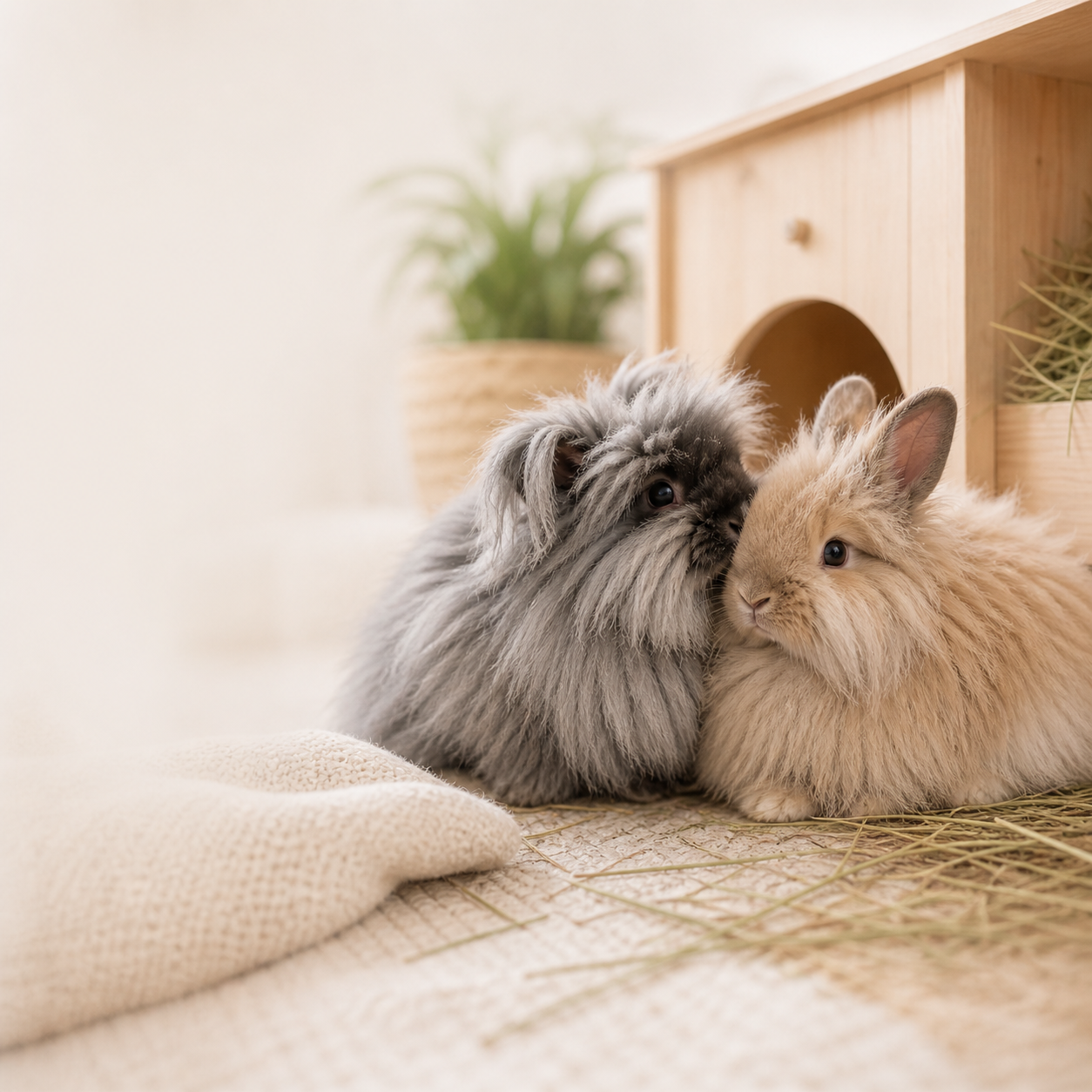
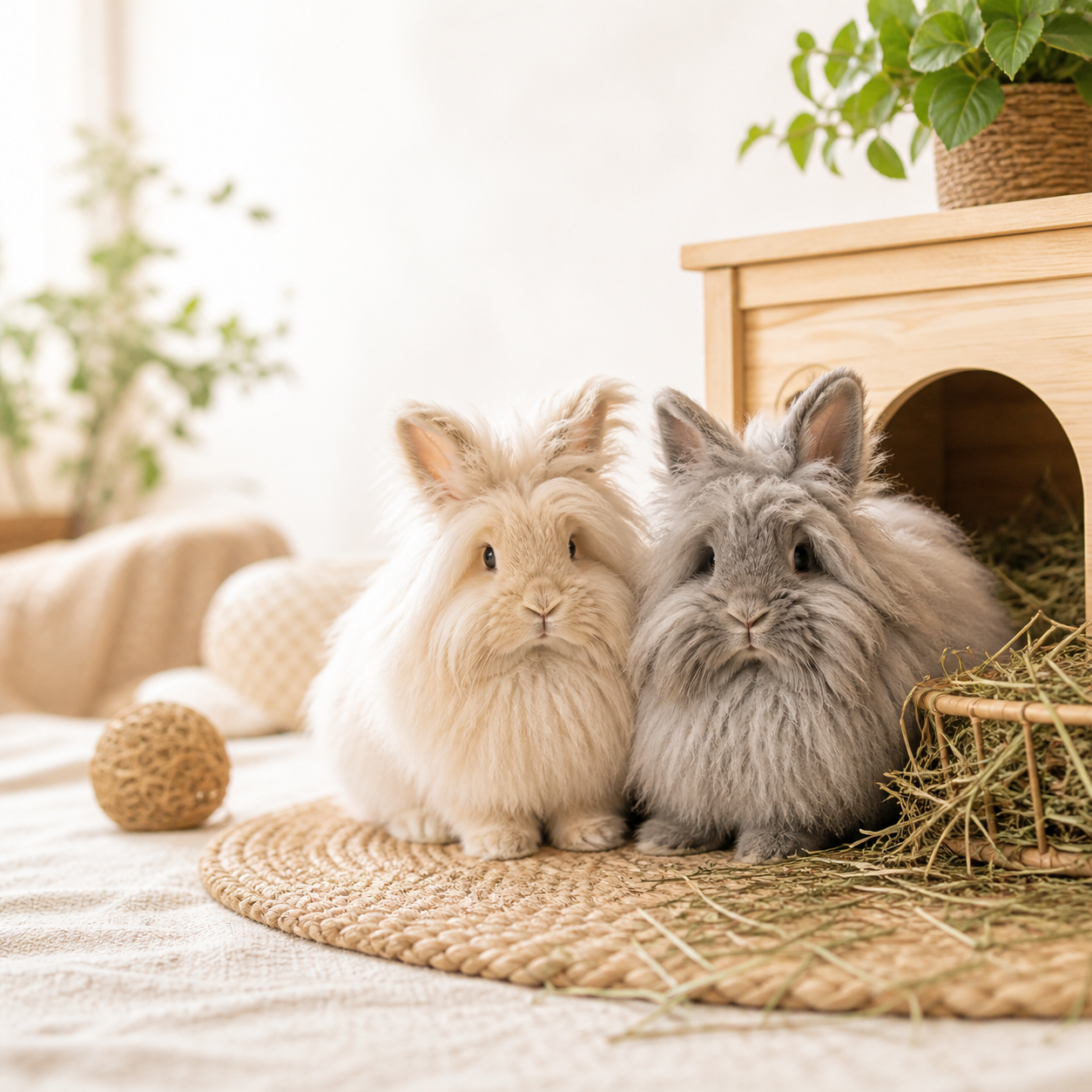
Good daily care supports long-term health
The best way to keep your rabbit healthy is through proper care and preventative measures. A healthy routine helps reduce risks and makes it easier to notice changes.
- Provide a healthy dietRabbits should eat mostly hay with fresh vegetables and limited pellets.
- Maintain a clean living environmentRegular cleaning helps prevent bacteria buildup and parasites.
- Provide enough exerciseRabbits need space to run and explore every day.
- Schedule veterinary checkupsRegular vet visits help detect problems early.
Check your rabbit every day
Because rabbits hide illness well, daily observation is important. Even small changes can sometimes indicate a developing health issue.
Appetite
Notice if your rabbit eats less, refuses favourite foods or stops eating hay.
Droppings
Watch for fewer, smaller, softer or absent droppings.
Activity level
Lethargy or hiding more than usual can be a warning sign.
Posture
Hunched posture, pressing the belly down or reluctance to move may suggest pain.
Contact a vet urgently for these signs
You should contact a veterinarian immediately if your rabbit shows any of these signs. Early treatment can often make a significant difference in recovery.
- Stops eating Not eating can become serious quickly in rabbits.
- No droppings Producing no droppings can suggest a digestive emergency.
- Very lethargic Sudden weakness or lack of response needs urgent advice.
- Breathing difficulty Laboured breathing should be treated as urgent.
- Signs of pain Hunched posture, tooth grinding or unusual behaviour can suggest pain.
How long do rabbits live?
With proper care, domestic rabbits can live 8–12 years, and sometimes even longer. Providing the right diet, housing and veterinary care can greatly improve a rabbit’s lifespan and quality of life.
Healthy daily habits, plenty of hay, a clean environment, safe exercise and prompt veterinary care all help rabbits live more comfortable lives.
Rabbit health questions
Quick answers to common rabbit health questions for owners.
What are signs of a healthy rabbit?
A healthy rabbit usually eats regularly, passes normal droppings, stays active and curious, grooms themselves, has bright eyes and shows relaxed body language.
When should I take my rabbit to a vet urgently?
Contact a rabbit-savvy vet urgently if your rabbit stops eating, stops pooing, seems very lethargic, has breathing difficulty, appears bloated, has severe diarrhoea or shows signs of pain.
Why is not eating serious in rabbits?
Not eating can quickly become dangerous for rabbits because their digestive system needs to keep moving. Loss of appetite can be linked to pain, dental problems, stress, digestive slowdown or other illness.
How can I help prevent rabbit health problems?
Provide unlimited good-quality hay, fresh water, suitable greens, a clean living area, plenty of exercise space, enrichment, daily checks and regular appointments with a rabbit-savvy vet.
How long do rabbits live?
With good care, many domestic rabbits live around 8–12 years, and some live longer. Diet, housing, exercise, companionship and prompt vet care all affect long-term wellbeing.
A healthy rabbit is active, curious and interested in food
Rabbits rely on their owners to provide the care they need to stay healthy. By understanding common health problems and monitoring your rabbit regularly, you can help ensure they live a long and comfortable life.
A healthy rabbit is usually active, curious and always interested in food. Paying attention to small changes in behaviour can help you catch problems early and keep your rabbit feeling their best.
Related rabbit care guides
More useful guides for rabbit health, diet, housing and behaviour.
RabbitCare.co.uk provides general rabbit care information for UK owners. It does not replace advice from a rabbit-savvy vet. If your rabbit stops eating, stops pooing, seems in pain or is suddenly unwell, contact a vet urgently.