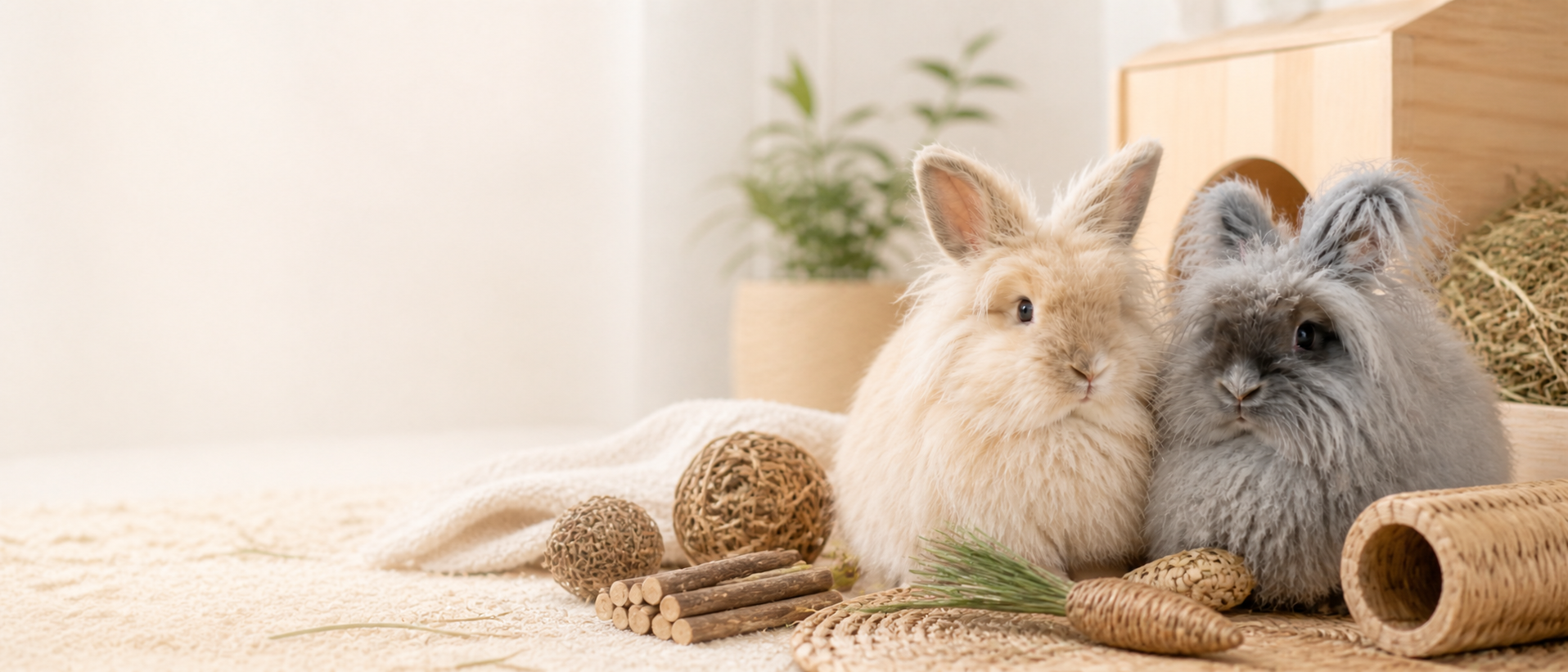
Keep your rabbit busy, curious and happy
Rabbits are intelligent, curious animals that need regular mental stimulation. Safe toys can help prevent boredom, encourage natural behaviour and make your rabbit’s home more interesting.
Why rabbit toys matter
Rabbits are intelligent and curious animals that need regular mental stimulation. Without enough enrichment, rabbits can become bored and may start chewing furniture, digging carpets or showing other destructive behaviours.
Providing safe and engaging toys is an important part of rabbit care. Toys encourage natural behaviours such as chewing, digging, exploring and foraging, helping your rabbit stay both physically and mentally healthy.
In this guide, we’ll explain the best types of toys for rabbits, how they benefit your pet and how to choose safe options for everyday play.
Why rabbits need toys
In the wild, rabbits spend much of their time exploring, digging and searching for food. Pet rabbits still have these instincts, so toys help replicate natural behaviours in a safe and controlled way.
- Help prevent boredom and frustration.
- Encourage exercise and movement.
- Promote natural chewing behaviour.
- Reduce destructive habits around the home.
- Provide important mental stimulation.
Best types of toys for rabbits
The best rabbit toys encourage natural behaviours such as chewing, digging, tossing, hiding and exploring.
Chew toys
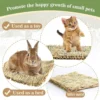
Chewing is a natural behaviour for rabbits. Their teeth grow continuously, so safe chewing activities help support normal tooth wear and keep rabbits occupied.
- Untreated wooden toys
- Willow balls
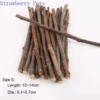
- Apple sticks
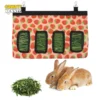
- Hay-based chew toys
Digging toys
Rabbits love to dig, even if they live indoors. A digging box allows your rabbit to express this natural instinct without damaging carpets or furniture.
- Shredded paper
- Hay
- Cardboard pieces
- Safe soil or paper bedding
Toss and play toys
Many rabbits enjoy picking up objects and throwing them around. Some rabbits love grabbing toys with their teeth and tossing them across the room.
- Wicker balls
- Wooden blocks
- Small plastic baby toys
- Chew sticks
Tunnels and hideouts
Rabbits feel safest when they have places to hide. Tunnels and hideouts provide security, enrichment, exercise and a fun place to explore.
- Cardboard tunnels
- Fabric tunnels
- Wooden hide houses
- Safe cardboard boxes
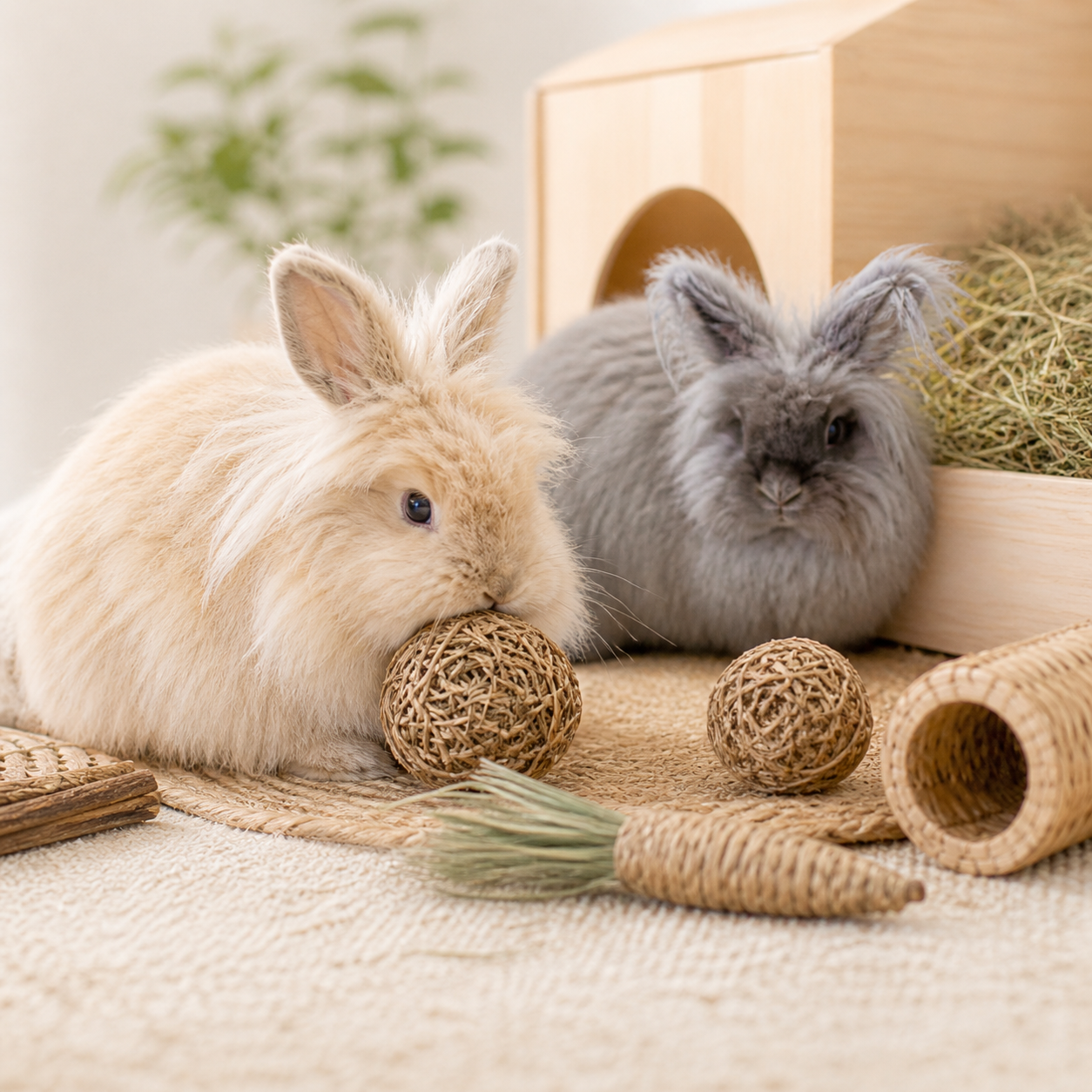
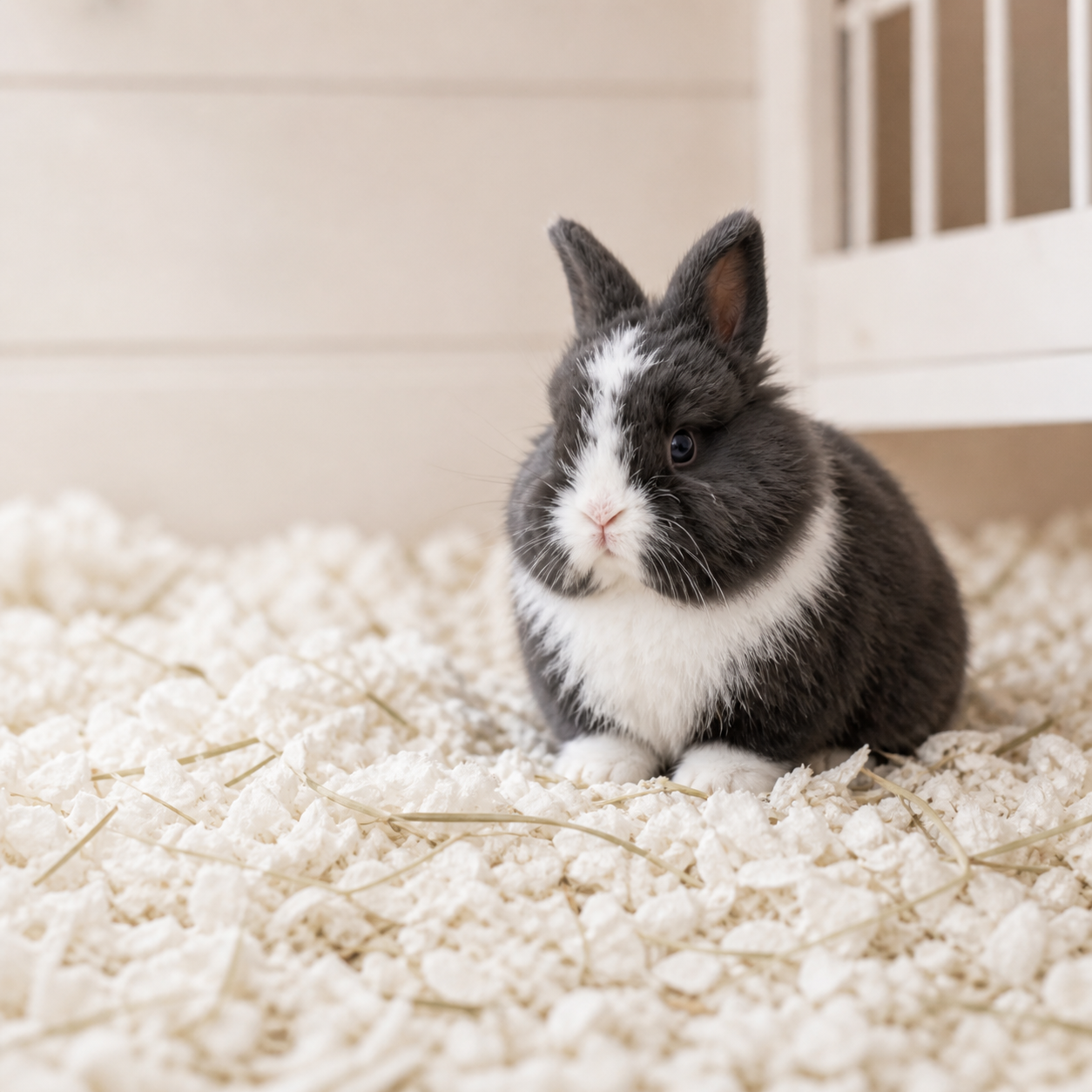
Give your rabbit different ways to play
A good rabbit play area usually includes more than one type of toy. Chew toys help satisfy chewing instincts, tunnels encourage movement, digging boxes provide an outlet for digging and hideouts help rabbits feel secure.
Watch how your rabbit interacts with their toys. Some rabbits prefer chewing, some prefer digging and others enjoy exploring tunnels or tossing objects around.
DIY rabbit toys
You do not always need to buy toys for your rabbit. Many simple household items can be turned into fun rabbit toys.
Cardboard boxes
Cut rabbit-sized holes into cardboard boxes to create simple hideouts, tunnels or play houses.
Hay-stuffed tubes
Stuff toilet paper tubes with hay to create a simple foraging toy your rabbit can chew and pull apart.
Paper bags
Fill plain paper bags with shredded paper or hay to create a fun digging and exploring activity.
Rotating rabbit toys
Rabbits can lose interest in toys if they see them all the time. A good idea is to rotate toys every few days to keep your rabbit curious and excited to explore.
You can store some toys away and reintroduce them later to make them feel new again. This simple routine can make your rabbit’s environment more interesting without needing to constantly buy new toys.
- Keep a few toys available each day rather than putting everything out at once.
- Swap toys every few days to make the play area feel fresh.
- Move tunnels, boxes and hideouts around to encourage exploring.
- Remove any damaged toys before they become unsafe.
Safety tips for rabbit toys
Always make sure your rabbit’s toys are safe. Rabbits may chew, dig, toss or pull apart their toys, so choosing safe materials is important.
- Avoid small loose pieces Remove toys with tiny parts that could be swallowed or cause choking.
- Avoid toxic or treated materials Do not use treated wood, painted items, unsafe glue, toxic plants or unknown materials.
- Remove damaged toys Check toys regularly and throw away anything sharp, broken, mouldy or heavily chewed.
- Supervise new toys Watch your rabbit when introducing something new so you can see how they use it.
Signs your rabbit is enjoying their toys
When rabbits are happy and entertained, they often show playful behaviours. Every rabbit is different, so your rabbit may have favourite activities they return to again and again.
- Tossing toys around with their teeth.
- Digging in toy boxes or paper-filled areas.
- Chewing sticks, balls or hay-based toys.
- Exploring tunnels, boxes and hideouts.
- Returning to the same toy or play area regularly.
Rabbit toy questions
Quick answers about safe toys, DIY enrichment and keeping your rabbit interested.
What toys are best for rabbits?
The best rabbit toys encourage natural behaviour, such as chewing, digging, hiding, foraging, tossing and exploring. Good options include untreated wooden chew toys, willow balls, hay toys, tunnels, cardboard boxes, digging boxes and safe hideouts.
Are cardboard boxes safe for rabbits?
Plain cardboard boxes can be useful rabbit toys when they are clean, dry and free from tape, staples, plastic, glossy coatings and unsafe ink. Remove cardboard if it becomes soggy, mouldy, sharp or heavily chewed.
Do rabbits need chew toys?
Yes. Rabbits naturally need to chew, and safe chew toys can help keep them occupied while supporting normal chewing behaviour. Hay should still be the main way rabbits wear their teeth down, but chew toys are useful enrichment.
How often should I rotate rabbit toys?
Try rotating toys every few days so the play area stays interesting. You do not need to change everything at once; simply swapping tunnels, boxes, chew toys and forage activities can make familiar toys feel new again.
What toys should rabbits avoid?
Avoid toys made from treated wood, toxic plants, unsafe glue, sharp pieces, small swallowable parts, mouldy materials, painted items of unknown safety or anything your rabbit can break into dangerous fragments.
Rabbit toys are essential for a happy, active rabbit
Toys are an essential part of keeping rabbits happy and mentally stimulated. By providing chew toys, digging boxes, tunnels, hideouts and interactive play items, you can create a more enriching environment for your rabbit.
Rotating toys and offering new activities regularly will keep your rabbit curious and entertained. A rabbit with enough enrichment is more likely to stay healthy, active and content.
Related rabbit care guides
Help your visitors move naturally into more useful RabbitCare pages.
RabbitCare.co.uk provides general rabbit care information for UK owners. It does not replace advice from a rabbit-savvy vet. If your rabbit stops eating, stops pooing, seems in pain or is suddenly unwell, contact a vet urgently.