Build a healthy rabbit feeding routine
Feeding your rabbit the right diet is one of the most important parts of keeping them healthy. Rabbits need a high-fibre diet that supports digestion, teeth and daily energy.
What should rabbits eat every day?
Feeding your rabbit the right diet is one of the most important parts of keeping them healthy. Rabbits have very sensitive digestive systems that rely on a high-fiber diet to function properly.
A balanced rabbit diet should consist mostly of hay, along with fresh vegetables, a small number of pellets and occasional treats. Providing the correct foods helps prevent digestive problems, keeps your rabbit active and supports healthy teeth.
In this guide, we’ll explain what rabbits should eat every day and how to build a healthy feeding routine.
Hay should make up 80–90% of the diet
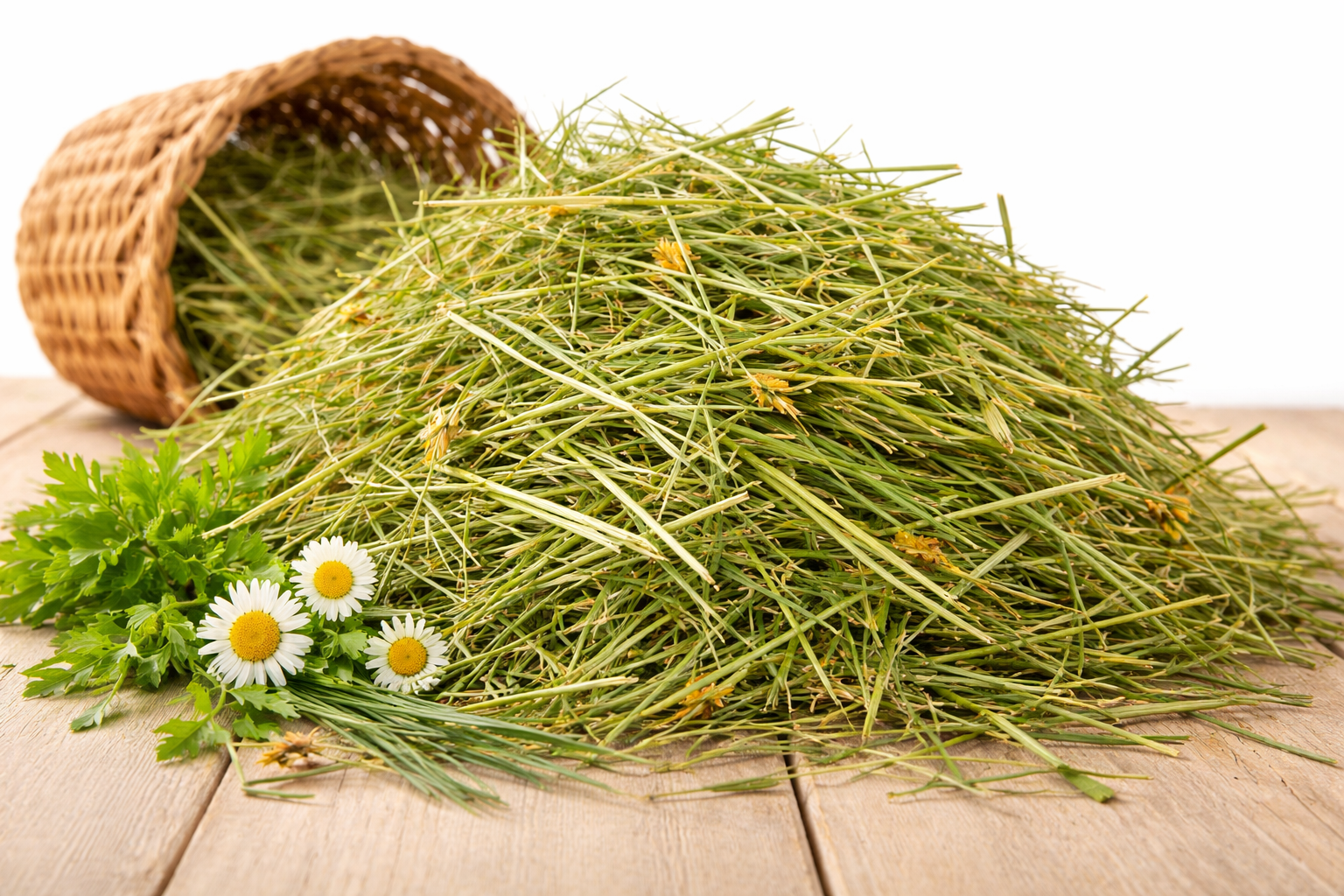
Rabbits need constant access to fresh hay because it provides the fiber necessary for healthy digestion and helps wear down their continuously growing teeth.
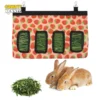
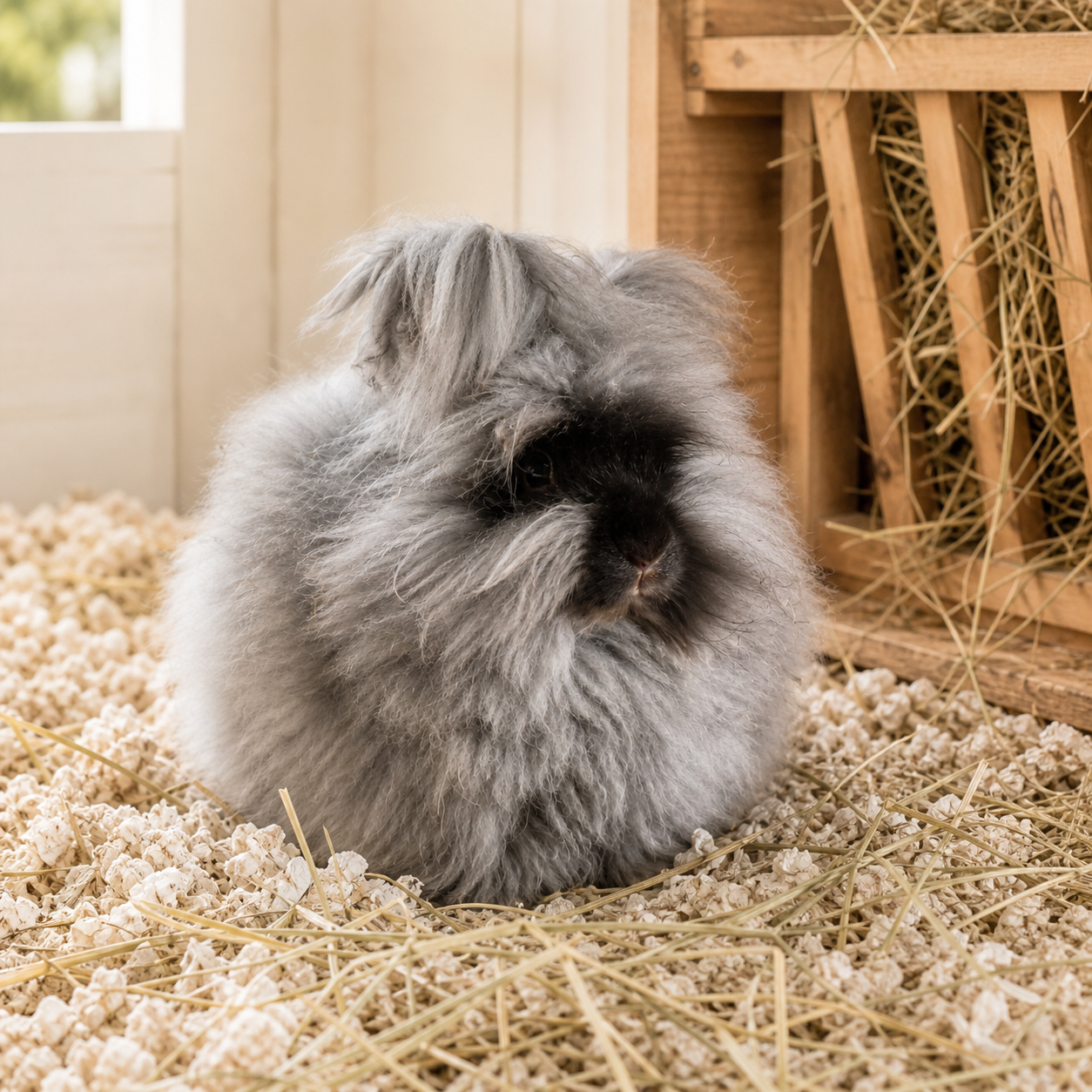
Hay should always be available in your rabbit’s enclosure. Many rabbits enjoy eating hay while using their litter tray, so placing hay near the litter box can encourage healthy habits.
- Timothy hay
- Meadow hay
- Orchard grass hay
- Botanical hay
Leafy greens add nutrients and variety
Fresh vegetables provide important vitamins and nutrients. Most rabbits enjoy a variety of leafy greens every day.
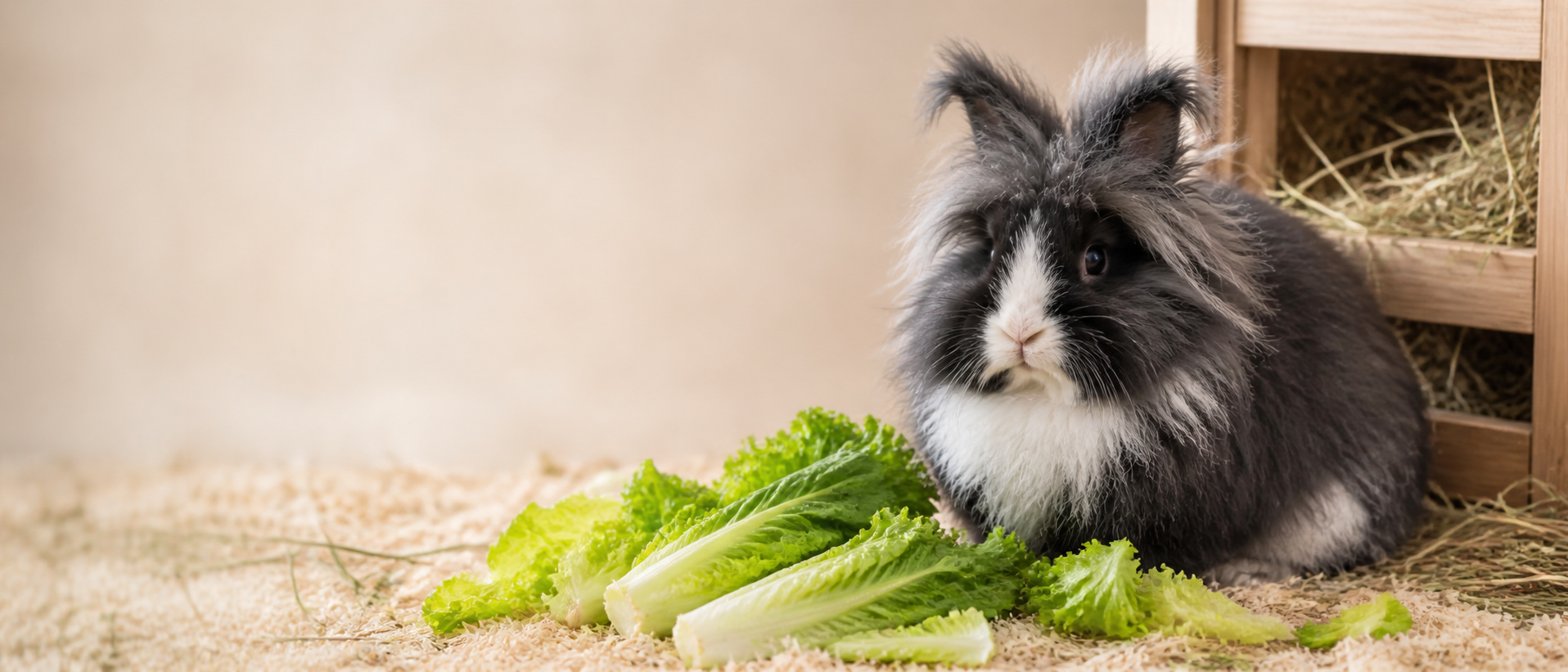
Romaine lettuce
A popular leafy green for many rabbits.
Basil
A fragrant herb that can add variety.
Parsley
Often enjoyed as part of a mixed greens portion.
Coriander
Also called cilantro, and often enjoyed by rabbits.
Mint
A strong-smelling herb some rabbits enjoy.
Dill
A useful herb to offer as part of variety.
Dandelion leaves
A natural leafy option if clean and pesticide-free.
Rocket
Also called arugula, and best offered as part of a mix.
Keep pellets small and water fresh
Pellets are a concentrated source of nutrients, but they should only be given in small amounts. High-quality rabbit pellets are made primarily from hay and contain balanced vitamins and minerals.
- Adult rabbit pelletsAdult rabbits usually need about 1–2 tablespoons of pellets per day, depending on their size.
- Do not overfeed pelletsToo many pellets can cause rabbits to eat less hay, which may lead to weight gain and digestive problems.
- Fresh waterRabbits should always have access to clean, fresh water. Many rabbits prefer heavy ceramic bowls.
- Clean dailyWater should be replaced daily and bowls cleaned regularly.
Treats should only be occasional
Treats should only be given occasionally because many fruits contain natural sugars. Treats should be limited to very small portions a few times per week.
- Apple slicesRemove seeds and core before offering.
- StrawberriesOffer small portions occasionally.
- BlueberriesA tiny fruit treat only.
- Banana slicesVery sugary, so keep portions tiny.
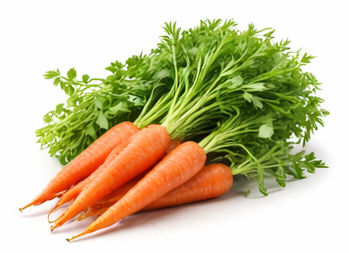
- Small pieces of carrotBest treated as a sweet occasional snack.
Some foods are dangerous for rabbits
Some foods can cause serious digestive problems or toxicity and should never be fed to rabbits.
- Chocolate
- Onions
- Garlic
- Bread
- Dairy products
- Avocado
- Processed human foods
- Sugary snacks
How to tell the diet is working well
A rabbit eating the correct diet will usually show several healthy signs. Changes in appetite or droppings should be taken seriously.
Good energy
Active and interested in their surroundings.
Normal droppings
Regular, normal droppings show good digestion.
Healthy weight
Not too thin and not overweight.
Healthy teeth
Hay helps support natural tooth wear.
Shiny fur
Healthy rabbits often have a clean, well-kept coat.
A simple daily routine
Many rabbit owners follow a simple daily feeding routine. Hay should still be available all day and night.
Morning
- Fresh hay
- Small portion of pellets
- Fresh water
Evening
- Fresh leafy greens
- More hay
- Occasional tiny treats during playtime
Rabbit diet questions
Quick answers to common questions about hay, greens, pellets, treats and unsafe foods.
What should rabbits eat every day?
Rabbits should have unlimited fresh hay, clean water, a suitable portion of leafy greens and only a small amount of rabbit pellets. Hay should be the main part of the diet.
How much hay should a rabbit eat?
Hay should be available all day and night. A good guide is that hay makes up around 80–90% of a healthy adult rabbit’s diet.
Can rabbits eat vegetables every day?
Many adult rabbits can have suitable leafy greens daily, but new vegetables should be introduced slowly and one at a time so you can watch for digestive changes.
How many pellets should rabbits eat?
Pellets should be limited because too many can reduce hay eating. Adult rabbits usually only need a small measured amount, depending on size, age and veterinary advice.
What foods should rabbits avoid?
Rabbits should not eat chocolate, onions, garlic, bread, dairy products, avocado, processed human foods or sugary snacks. If your rabbit eats something unsafe, contact a rabbit-savvy vet for advice.
A healthy rabbit diet is simple but very important
Rabbits thrive when they eat mostly high-quality hay, supplemented with fresh vegetables and small amounts of pellets.
By providing the right foods and maintaining a consistent feeding routine, you can help your rabbit stay happy, active and healthy for many years.
Related rabbit food guides
More useful RabbitCare pages about hay, treats and safe foods.
RabbitCare.co.uk provides general rabbit care information for UK owners. It does not replace advice from a rabbit-savvy vet. If your rabbit stops eating, stops pooing, seems in pain or is suddenly unwell, contact a vet urgently.