
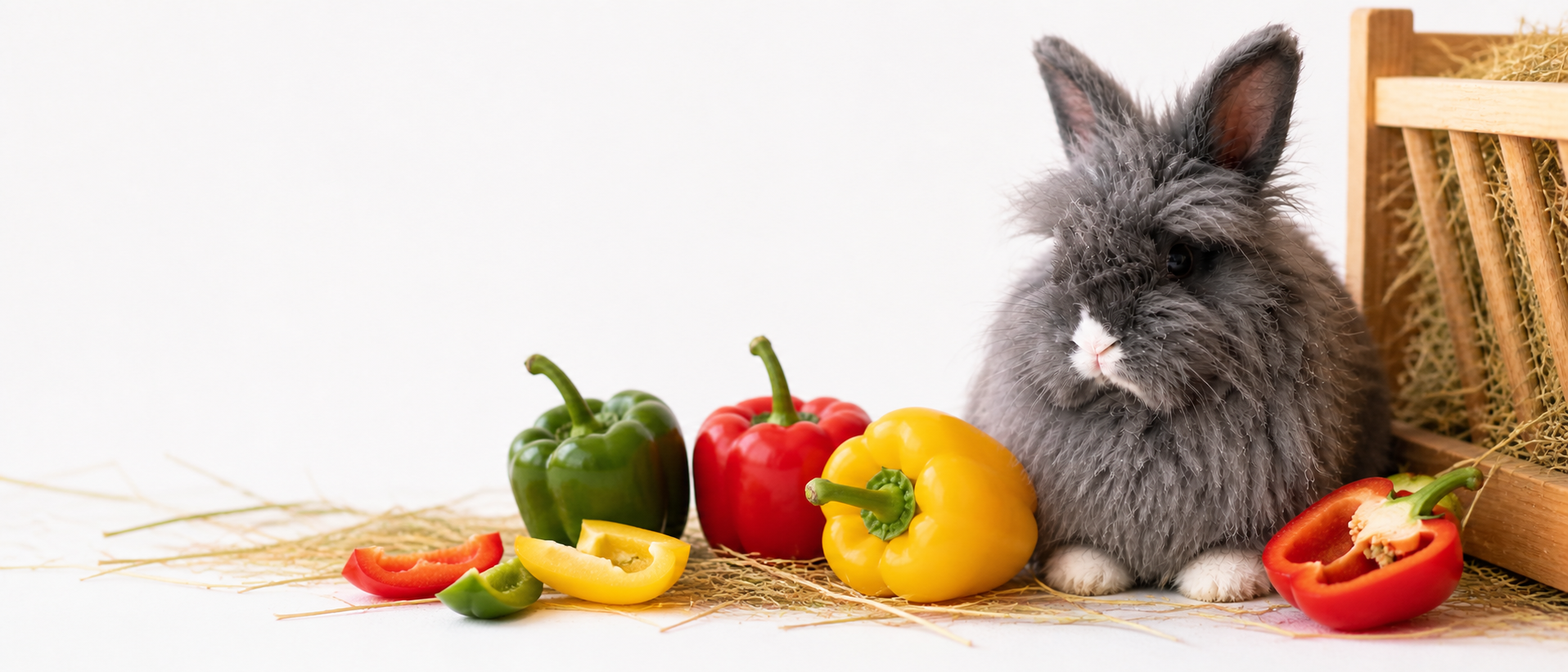
Yes, rabbits can eat bell peppers, but not spicy peppers
Sweet bell peppers can be safe for rabbits in small amounts, but chilli peppers, spicy peppers and seasoned peppers should never be fed.
Bell peppers can be safe, colourful and crunchy
Bell peppers are a colourful, crunchy food that many rabbit owners wonder about. The good news is that rabbits can eat sweet bell peppers in small amounts, and some rabbits enjoy the crisp texture.
However, peppers should still be treated as a small addition to a hay-based diet rather than a main food. It is also important to understand the difference between sweet bell peppers and spicy peppers, because rabbits should never be given chilli peppers or hot peppers.
Are peppers safe for rabbits?
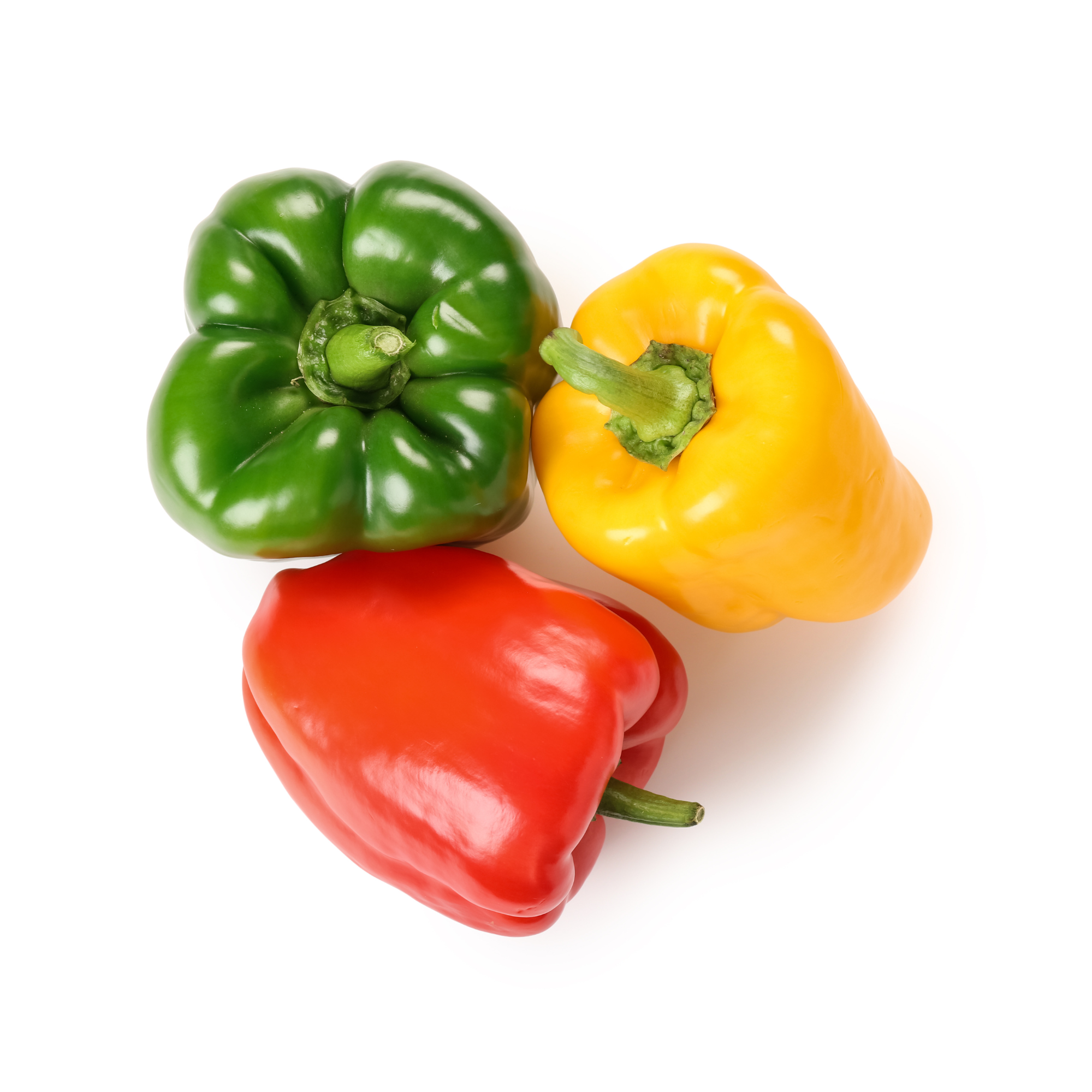
Yes, sweet bell peppers are safe for most rabbits when fed in small amounts. Red, yellow, orange and green bell peppers can all be offered, although every rabbit is different and new foods should be introduced slowly.
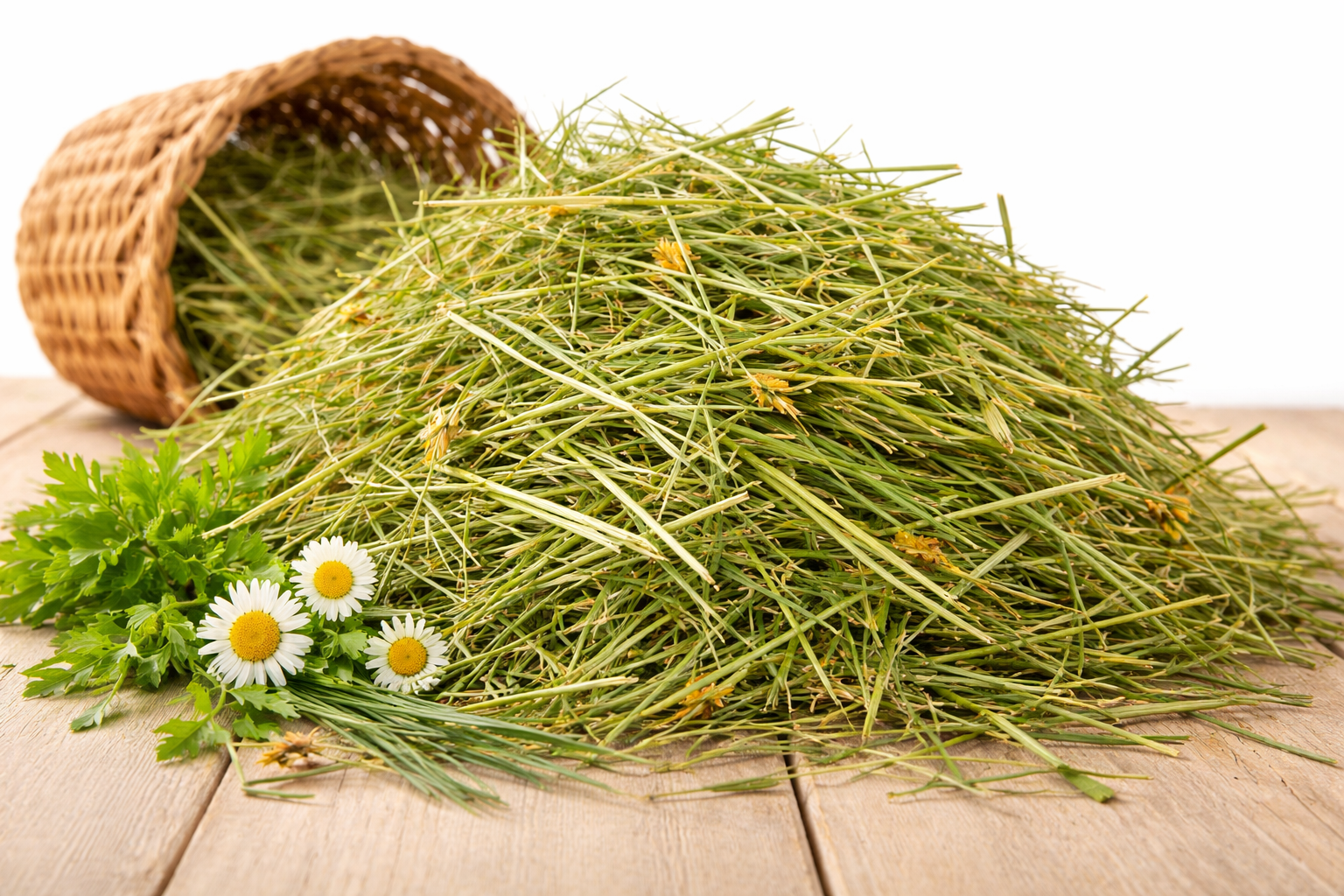
A healthy rabbit diet should consist mostly of hay, which supports digestion and helps keep a rabbit’s teeth worn down naturally. Hay should still make up around 80–90% of a rabbit’s daily food intake.
Nutritional value of bell peppers
Bell peppers contain water, fibre and useful nutrients. They can add variety to a rabbit’s diet, but they should still be fed alongside plenty of hay and safe leafy greens.
Vitamin C
Bell peppers contain vitamin C, although rabbits should not rely on peppers as a main vitamin source.
Vitamin A
Red and orange peppers can contain vitamin A-related nutrients, but variety and balance matter most.
Water content
Bell peppers are juicy and hydrating, so portions should stay small to avoid digestive upset.
Antioxidants
Colourful peppers contain plant compounds, but they are still only one small part of a varied diet.
Some fibre
Bell peppers contain some fibre, but hay is still the essential fibre source for rabbits.
Hay comes first
Pepper should never replace hay, fresh water, leafy greens or a balanced rabbit diet.
How much pepper can rabbits eat?
Bell pepper should be offered in small portions. A good guideline is one or two small strips of sweet bell pepper, introduced slowly and fed as part of a varied diet.
Some rabbits tolerate bell pepper well, while others may be sensitive to new foods. Start with a tiny piece first, then watch your rabbit’s appetite, poo and behaviour before offering it again.
- Offer one or two small strips, not a large chunk.
- Start with a tiny piece when introducing pepper for the first time.
- Feed bell pepper as part of a varied diet, not as the main food.
- Watch for soft poo, uneaten caecotrophs, bloating or appetite changes.
Never feed chilli peppers or spicy peppers
Only sweet bell peppers are suitable for rabbits. Spicy peppers can irritate a rabbit’s mouth and digestive system and should always be avoided.
- Avoid chilli peppers Do not feed chillies, jalapeños, hot peppers or any spicy pepper varieties.
- No cooked or seasoned peppers Avoid roasted, fried, pickled, salted or seasoned peppers. Rabbits should only have plain raw bell pepper.
- Remove stem and seeds The soft pepper flesh is the best part to offer. Remove the stem, seeds and white inner pith before feeding.
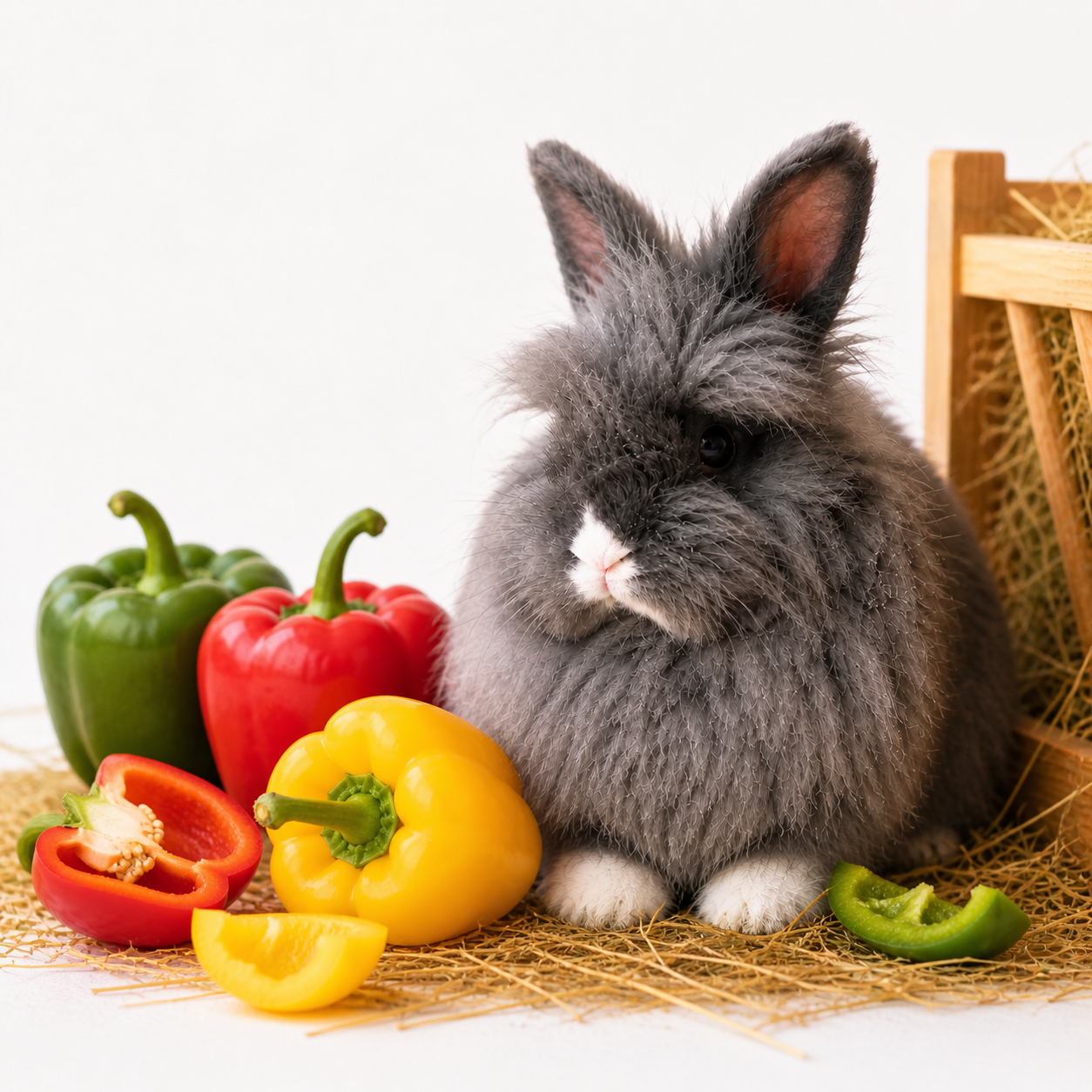
Use bell pepper as a small fresh food
Bell pepper can add colour, crunch and variety to your rabbit’s fresh food routine. Many rabbits enjoy nibbling a small strip, especially when it is served with familiar leafy greens.
If your rabbit has never tried pepper before, introduce it slowly. Do not offer several new foods at once, because it can make it harder to know what caused a digestive upset.
How to prepare peppers for rabbits
Before feeding bell pepper to your rabbit, prepare it carefully and keep it plain, raw and free from seasoning.
Choose sweet bell pepper
Use red, yellow, orange or green bell pepper. Do not use chilli or hot pepper.
Wash thoroughly
Rinse the pepper well to remove dirt or residue from the skin.
Remove seeds and stem
Cut away the stalk, seeds and white inner pith before offering a piece.
Cut a small strip
Offer a small raw strip and watch your rabbit’s digestion afterwards.
Benefits and signs your rabbit enjoys peppers
When given in moderation, bell pepper can be a colourful addition to your rabbit’s fresh food selection. Even if your rabbit enjoys it, hay should remain the main part of the diet.
Adds variety
A small strip of bell pepper can add colour and variety to a hay-based diet.
Crunchy texture
Some rabbits enjoy the crisp texture, which can make fresh food time more interesting.
Small amounts of nutrients
Bell peppers contain vitamins and plant nutrients, but they should not replace leafy greens or hay.
Good for enrichment
Small pepper strips can be scattered with greens to encourage gentle foraging.
Signs they enjoy it
Your rabbit may run over, sniff eagerly, nibble quickly or search for another small piece.
Still introduce slowly
Even safe foods should be introduced gradually so your rabbit’s digestion can adjust.
FAQs about rabbits and peppers
Quick answers to common questions about feeding bell peppers to rabbits safely.
Can rabbits eat peppers?
Yes, rabbits can eat sweet bell peppers in small amounts. Red, yellow, orange and green bell peppers can all be offered occasionally, but they should be introduced slowly and served plain and raw.
Can rabbits eat bell peppers?
Yes, bell peppers are the safe type of pepper for rabbits. They can add colour and crunch to a varied diet, but they should not replace hay or leafy greens.
Can rabbits eat red, yellow, orange and green peppers?
Yes, rabbits can eat red, yellow, orange and green sweet bell peppers. Red, yellow and orange peppers are usually sweeter, while green peppers can taste more bitter, so your rabbit may prefer one colour over another.
Can rabbits eat chilli peppers or spicy peppers?
No. Rabbits should not eat chilli peppers, jalapeños, hot peppers or any spicy pepper varieties. Spicy peppers can irritate a rabbit’s mouth and digestive system.
Do you need to remove pepper seeds for rabbits?
Yes, it is best to remove the stem, seeds and white inner pith before feeding bell pepper. Offer only a small strip of the plain raw pepper flesh.
How much pepper can rabbits eat?
A sensible amount is one or two small strips of sweet bell pepper, introduced slowly as part of a varied diet. Start with a tiny piece and monitor your rabbit’s droppings, appetite and behaviour.
Bell peppers can be a safe fresh food for rabbits
Rabbits can eat small amounts of sweet bell pepper, including red, yellow, orange and green varieties. Bell pepper can add colour and crunch, but it should be introduced slowly and served in small portions.
Never feed chilli peppers, spicy peppers, cooked peppers, pickled peppers or seasoned peppers. A rabbit’s diet should still be based mainly on hay, with fresh vegetables and leafy greens forming the rest of their daily food.
Related rabbit care guides
More useful guides for rabbit foods, treats and daily diet basics.
RabbitCare.co.uk provides general rabbit care information for UK owners. It does not replace advice from a rabbit-savvy vet. If your rabbit stops eating, stops pooing, seems in pain or is suddenly unwell, contact a vet urgently.